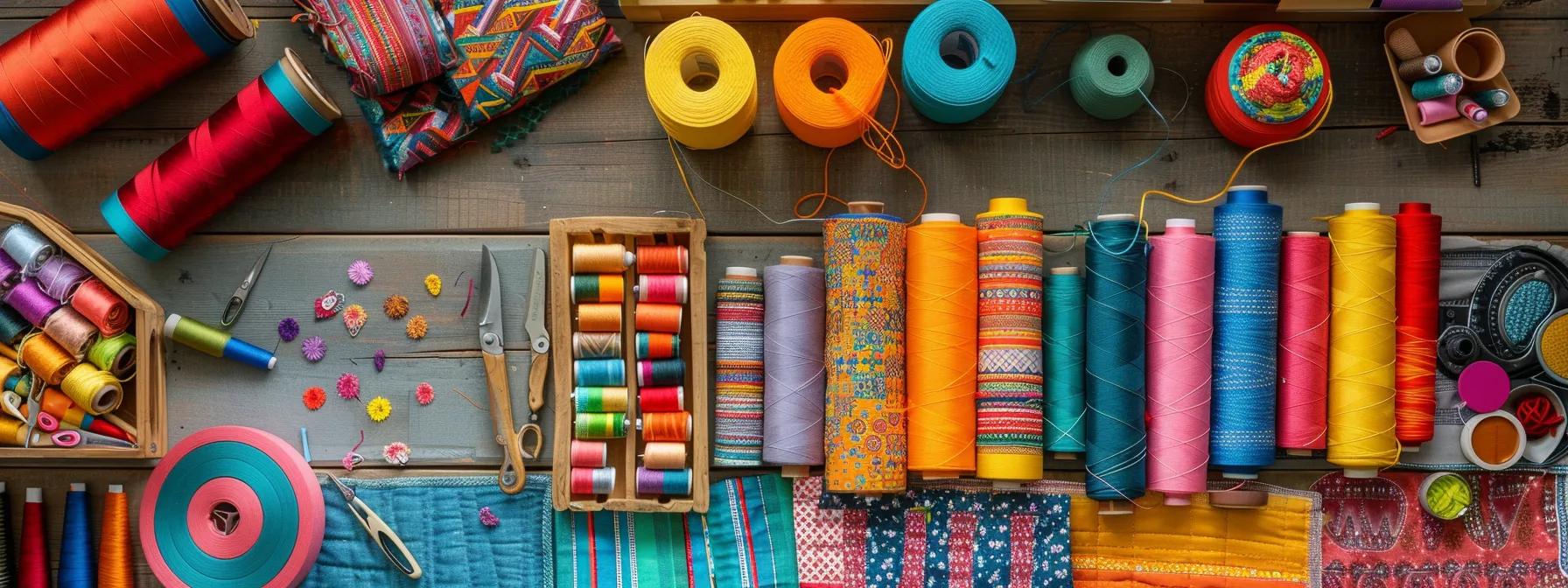
Patchwork is a creative sewing technique that involves stitching together small fabric pieces into cohesive designs, making it an ideal craft for beginners. Learn the basics of patchwork quilting, discover essential tools recommended by Nebraska Quilt Company, and explore simple patterns designed to help you begin your patchwork journey with confidence.
What Is Patchwork and Why Is It Ideal for Beginners?
Patchwork quilting means sewing together different fabric pieces into one unified design. It is perfect for beginners because it allows practice of basic sewing skills like cutting, piecing, and hemming while boosting creativity and confidence with the sewing machine. It also lays a strong foundation for more advanced quilting projects.
What Does Patchwork Quilting Mean?
Patchwork quilting is the process of assembling fabric scraps into a patterned design that forms a quilt top. This approach introduces newcomers to more complex projects and encourages self-expression while teaching precision, seam allowance management, and planning for color and design.
What Are the Benefits of Learning Patchwork as a Beginner?
Learning patchwork improves sewing precision and creativity, while also producing a functional project that can serve as home décor or a gift. Starting with simple designs minimizes frustration, builds problem-solving skills, and delivers the satisfaction of creating something handmade.
How Does Patchwork Relate to Quilting and Sewing?
As a foundational element in quilting, patchwork involves constructing the quilt top, which is later layered with batting and backing. This process reinforces practical sewing techniques and shows how artistic design and technical skill combine to produce an attractive, functional quilt.
What Essential Tools and Fabrics Do Beginners Need for Patchwork?
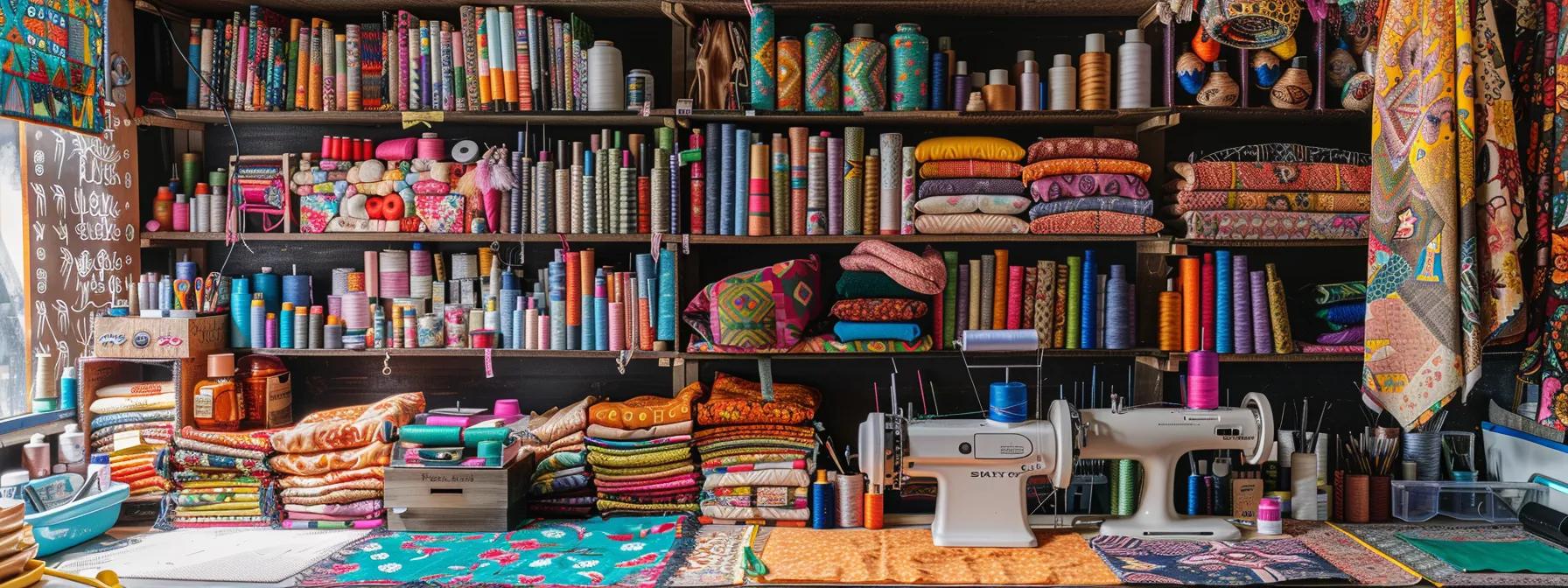
To succeed in patchwork, beginners require basic tools and quality fabrics. Essential tools include fabric scissors, a rotary cutter, a self-healing cutting mat, seam rippers, and a reliable sewing machine. Pre-washed cotton fabrics are recommended for their ease of handling and the wide variety of inspiring patterns available.
Which Tools Are Must-Haves for Simple Patchwork Projects?
Key tools for any patchwork project are fabric scissors, rotary cutters, cutting mats, and measuring rulers. These help ensure accurate fabric cuts and neat edges. A reliable sewing machine is also crucial for efficient and seamless stitching.
How to Choose the Best Fabrics for Patchwork Quilting?
Choose 100% cotton with a pre-wash treatment for ease of handling and durability. Select fabrics with coordinating prints and textures to ensure they sew together well without puckering or fraying, which helps create a harmonious design.
What Are Beginner-Friendly Fabric Types and Materials?
Beginners should use fabrics that are easy to cut and sew, such as cotton prints, quilting cottons, and even recycled scraps. These materials come in various patterns and textures, allowing for experimentation with color combinations and designs without a large financial investment.
How Do You Start Basic Patchwork Techniques for Beginners?
Starting with patchwork involves learning to cut fabric accurately, understanding seam allowances, and assembling blocks in a step-by-step manner. As skills improve, you can move on to more creative quilt designs that further enhance your sewing abilities.
How to Cut Fabric Accurately for Patchwork Patterns?
To cut fabric accurately, use a rotary cutter with a self-healing mat and a clear fabric ruler. Steady hand movements and consistent measurements are essential. Practicing on scrap fabric helps improve your technique and minimizes errors.
What Is Seam Allowance and Why Is It Important?
A seam allowance is the extra fabric beyond the stitching line—usually 1/4 to 1/2 inch wide—that holds pieces together. Consistent seam allowances ensure that pieces fit neatly, avoiding gaps or overlaps for a professional finished quilt.
How to Piece Patchwork Blocks Step-by-Step?
Assemble patchwork blocks by arranging pre-cut fabric pieces into a predetermined design, aligning edges carefully, and stitching along the seam allowances. Start by pinning pieces in order, then sew with a straight stitch and press seams open or to one side for a polished finish.
How Should Beginners Press and Finish Patchwork Seams?
Press seams with an iron to reduce bulk and improve alignment when sewing larger blocks. Using a pressing cloth protects colors and prints. Trim excess fabric and optionally add a topstitch to reinforce seams and prevent fraying.
What Are the Simplest Patchwork Patterns Perfect for Beginners?
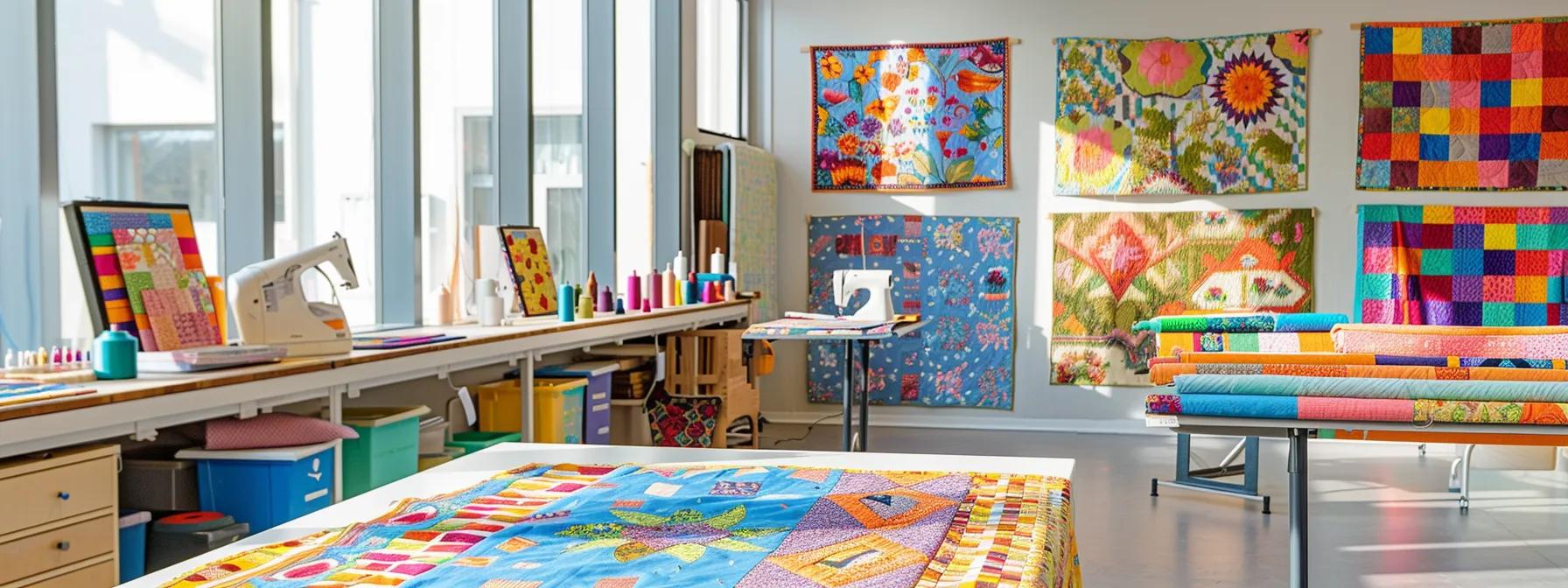
Simple patchwork patterns require minimal fabric pieces and basic sewing skills, making them ideal for beginners. These designs use traditional shapes and geometries that are both visually appealing and easy to assemble, helping build confidence and skill.
Which Patchwork Patterns Are Best for Beginners?
Patterns such as square blocks, half-square triangles, and nine-patch blocks are highly recommended. Their repetitive shapes allow for practice with cutting accuracy, proper alignment, and consistent stitching, resulting in a rewarding final product.
How to Sew a Simple Square Block Pattern?
Create a square block by cutting equal-sized fabric squares, joining them with even seam allowances, and aligning them in rows. Sew squares into pairs and then assemble the rows to form a complete block, which reinforces consistent design repetition.
How to Create Half-Square Triangle Blocks Easily?
To make half-square triangle blocks, cut two squares diagonally in half, combine the pieces, and sew along the long edge. This technique produces a symmetrical block that emphasizes accuracy and the beauty of geometric balance.
What Is a Nine-Patch Block and How to Make It?
A nine-patch block is made from nine small squares arranged in a 3x3 grid. Begin by sewing three squares in a row and then attach additional rows with consistent seam allowances, creating a versatile pattern ideal for practicing repetitive stitching.
How Can Beginners Quilt Their Patchwork Projects?
Quilting patchwork projects involves assembling the patchwork top, layering it with batting and backing, and stitching through all layers to secure the design. Beginners should follow clear, step-by-step instructions, often starting with smaller projects before attempting full-size quilts.
What Are the Basic Steps to Layer a Quilt?
Start with the patchwork top, then add batting and backing fabric. Temporarily secure the layers using safety pins, spray adhesive, or hand basting stitches. This allows time for careful alignment and adjustment before final quilting.
How to Baste a Quilt for Beginners?
Basting holds the quilt layers together before the final quilting stitch. Use large pins or long stitches to secure the layers evenly, ensuring that the quilt top stays aligned with the batting and backing throughout the quilting process.
What Are the Differences Between Hand Quilting and Machine Quilting?
Hand quilting offers precise, controlled stitches for personal artistic expression, while machine quilting provides speed and consistency. Beginners may choose machine quilting for its efficiency, though hand quilting can add a unique, personal touch to the finished quilt.
How to Quilt Simple Designs on Patchwork Projects?
For simple quilting designs, select an accessible pattern such as straight lines or basic geometric shapes. Mark the quilt top with washable markers and follow these guidelines with either hand or machine quilting to add texture and depth without overwhelming the patchwork design.
Where Can Beginners Find Free and Easy Patchwork Patterns?
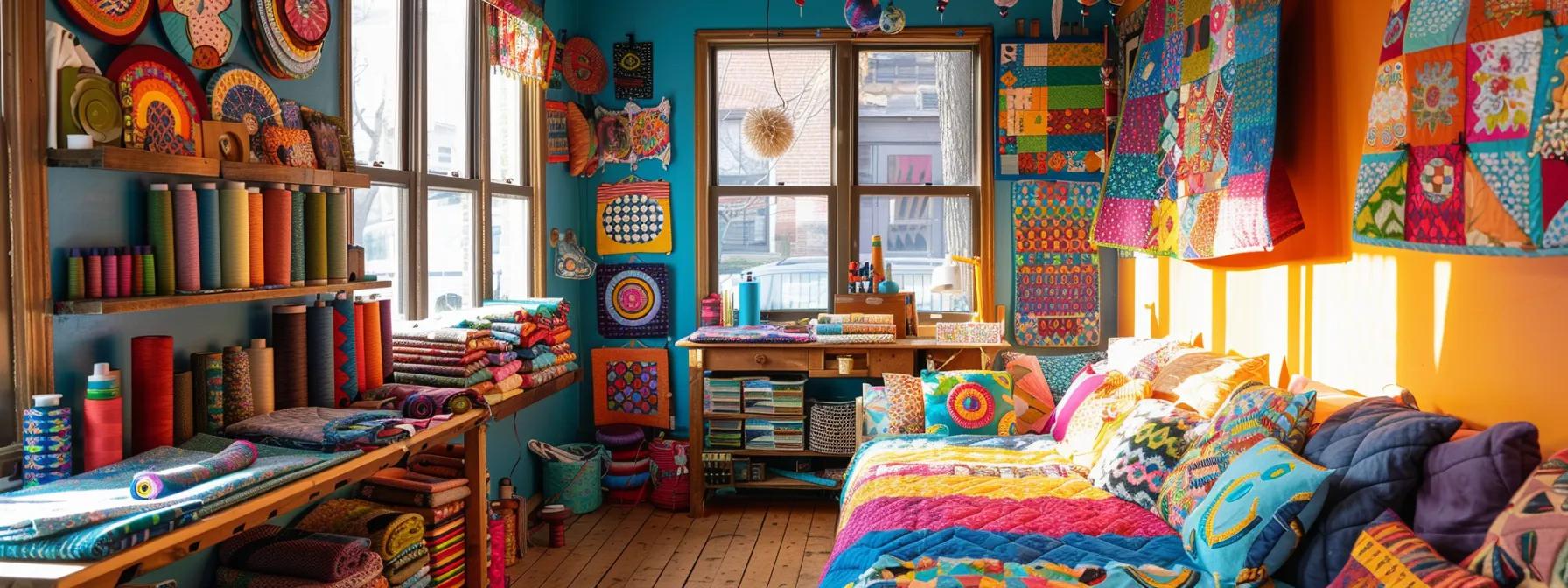
Many online resources offer free patchwork patterns, including quilting blogs, community forums, educational websites, and social media groups focused on patchwork techniques. These patterns inspire creativity and provide clear templates for beginners.
What Are the Best Sources for Free Beginner Patchwork Patterns?
Look to quilting community websites, dedicated sewing blogs, and online pattern libraries that offer free PDF downloads. Platforms like Ravelry and curated Pinterest boards also feature beginner-friendly designs supported by user reviews and detailed instructions.
How to Download and Use Free Simple Patchwork Patterns?
Visit reputable quilting websites to download free patterns. Print the PDF or image file and use it as a guideline for cutting fabric and assembling your patchwork. These resources simplify complex instructions into manageable steps for novice quilters.
What Are the Benefits of Using Premium Patchwork Patterns?
Premium patterns often come with in-depth guides, video tutorials, and extra support from experienced quilters. While free patterns are valuable, investing in premium designs can speed up learning and add uniqueness to your quilt projects.
What Tips and Troubleshooting Advice Help Beginners Succeed in Patchwork?
Success in patchwork requires attention to detail, patience, and a practical approach to common mistakes. Recognizing and correcting issues such as uneven seams and misaligned blocks early ensures your quilt has a professional, durable finish.
What Are Common Beginner Mistakes in Patchwork and How to Avoid Them?
Beginners often face issues like inconsistent seam allowances, misaligned pieces, and improper pressing. To minimize these mistakes, measure carefully, use clear cutting guides, and press seams immediately after stitching to maintain accuracy and efficiency.
How to Fix Uneven Seams and Misaligned Blocks?
If seams are uneven, unpick and re-sew using consistent seam allowances. Correct misaligned blocks by trimming excess fabric or adjusting pin placements. Consistent practice and patience are key to refining these techniques.
What Are Expert Tips for Faster and Easier Patchwork?
Pre-wash your fabrics, practice cutting with scrap material, and organize your workspace before starting. A clear layout of your design helps reduce frustration and saves time during the assembly process.
Frequently Asked Questions
Q: What is the best fabric for beginners in patchwork? A: Pre-washed cotton with a smooth finish is ideal because it is easy to cut and sew.
Q: How long does it take to learn basic patchwork techniques? A: Beginners can usually learn the basics in a few weeks, with practice enhancing speed and accuracy over time.
Q: Can I combine different patchwork patterns in one quilt? A: Yes, mixing simple patterns can create a unique design as long as colors and shapes coordinate well.
Q: Do I need a sewing machine for patchwork quilting? A: A sewing machine streamlines the process, but beginners may start with hand sewing for small projects before transitioning to machine quilting.
Q: Where can I find online templates for patchwork projects? A: Reputable quilting websites and community forums offer free downloadable templates suitable for beginners.
Final Thoughts
Patchwork quilting is an accessible and creative project for beginners that builds essential sewing skills and design instincts. By choosing simple patterns and quality materials, you can create a quilt that is visually appealing and structurally sound. Following concise steps for cutting, sewing, and quilting will build your confidence and technical proficiency. Embrace every learning opportunity as you explore various patterns and resources on your patchwork journey.