
Walking into any of the fabric stores in nebraska, you'll find yourself facing walls of batting options. Cotton, polyester, wool, bamboo: the choices can feel overwhelming. But if you're looking for that classic, breathable quilt that gets better with age, cotton batting might be exactly what you need.
Whether you're shopping at your local quilt shop or browsing online, understanding cotton batting basics will help you make confident choices for your next quilt pattern. Let's break down everything you need to know.
What Makes Cotton Batting Special?
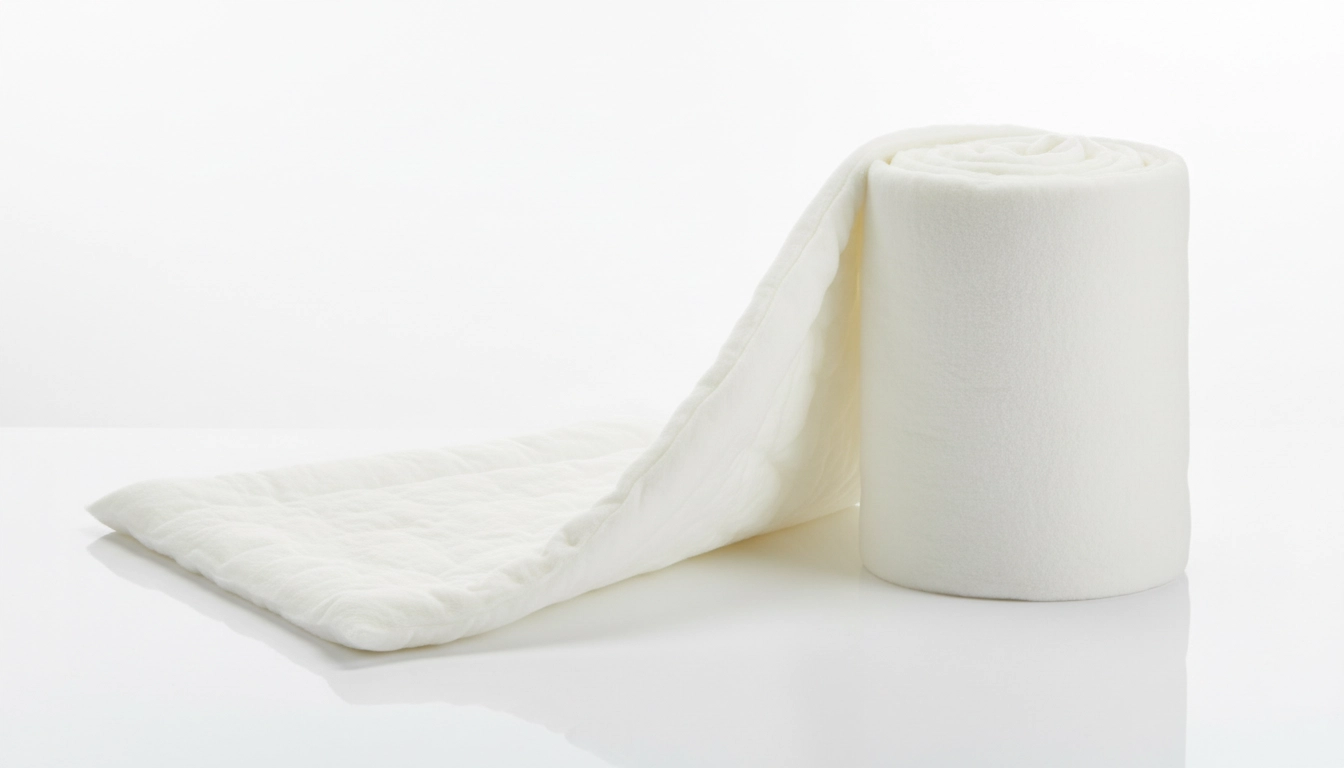
Cotton batting is made from natural cotton fibers and feels similar to thick flannel. It's been the go-to choice for quilters for generations, and there's a reason it's stood the test of time.
When you wash a quilt made with cotton batting, it develops that distinctive crinkly texture that screams "handmade with love." This isn't a flaw: it's a feature. That slightly rumpled, lived-in look is what gives cotton quilts their vintage charm.
Cotton also gets softer with every wash. Your quilt literally improves with age, becoming more comfortable and cozy over time.
Understanding Loft Options
Cotton batting comes in different thicknesses, called "loft levels." Here's what you need to know:
Low Loft Cotton Batting
- Perfect for table runners, placemats, and lightweight quilts
- Creates a flatter appearance
- Great when you don't want added bulk
- Easier to machine quilt through multiple layers
Medium Loft Cotton Batting
- The most versatile option
- Works well for bed quilts and wall hangings
- Good balance of warmth and workability
High Loft Cotton Batting
- Makes your quilting stitches really pop
- Creates more dimension and texture
- Best for projects where you want dramatic quilting patterns to show
When you're picking up a bolt of cotton batting, feel the thickness. Your quilt pattern and intended use should guide your loft choice.
The Real Talk: Cotton Batting Pros and Cons
Why Cotton Batting Rocks:
Cotton breathes like nobody's business. If you live in a hot, humid climate or you're a hot sleeper, cotton won't trap heat like synthetic options. It's naturally temperature-regulating.
It's also incredibly forgiving for beginners. Cotton batting doesn't shift around as much as some alternatives, making it easier to work with. Whether you're hand quilting or using a machine, cotton handles beautifully.
Plus, there's something satisfying about using natural fibers. Cotton batting feels good to work with and creates quilts that feel substantial and real.
Things to Consider:
Cotton batting can shrink up to 3% when washed (though pre-shrunk options are available). It's also heavier than polyester batting, which might matter if you're making a large quilt.
Cotton requires closer quilting than some other battings: typically every 4-6 inches: to prevent the fibers from shifting. This isn't necessarily bad, but it's something to plan for in your quilt pattern.
When to Choose Cotton Batting
Cotton batting shines in certain situations:
- Traditional quilts: If you're making a classic pattern or heritage-style quilt, cotton gives you that authentic look and feel
- Warm climates: The breathability makes cotton comfortable in varied weather across the U.S.
- Hand quilting: Cotton grips well and doesn't slide around under your hoop
- Heirloom quilts: Cotton ages beautifully and becomes a treasured family piece
Cotton might not be your best choice if you want maximum warmth (wool is better) or if you need to quilt with very sparse quilting patterns (polyester might work better).
Scrim vs. No-Scrim: What's the Difference?
Some cotton batting includes "scrim": a thin stabilizing layer that holds the cotton fibers together more firmly. Think of it as cotton batting with a built-in safety net.
With Scrim:
- Allows quilting spaces up to 8 inches apart
- More stable and less likely to shift
- Technically not 100% cotton (the scrim is usually polyester)
Without Scrim:
- Requires closer quilting (every 4-6 inches)
- 100% natural cotton
- More traditional feel and drape
Most quilters find that scrim makes their projects more manageable, especially for larger quilts or when machine quilting.
Sizing and Purchasing Your Cotton Batting
When you're shopping for batting, remember this golden rule: your batting should be about 4 inches longer and wider than your quilt top. You can always trim excess, but you can't add more if you cut too small.
You'll find cotton batting sold two ways:
- By the yard from a bolt: Great for custom sizes and smaller projects
- Pre-packaged sizes: Convenient for standard quilt sizes (crib, twin, queen, king)
Pre-packaged batting often costs a bit more per square foot, but it saves time and ensures you have the right amount.
Cotton Batting vs. The Alternatives
How does cotton stack up against other quilting fabric options?
Cotton vs. Polyester: Cotton is heavier, more breathable, and develops that crinkled texture. Polyester is lighter, warmer, and maintains a flatter appearance after washing.
Cotton vs. Cotton/Poly Blends: Blends (usually 80% cotton/20% polyester) offer similar characteristics to pure cotton but shrink less and cost less. They're a great middle-ground option.
Cotton vs. Wool: Wool is warmer, lighter, and makes quilting stitches really stand out. But it's more expensive and requires special care.
Practical Tips for Working with Cotton Batting
Pre-treat if you want predictable results. If you're worried about shrinkage or that crinkled look, pre-wash your cotton batting before using it. Just be gentle: cotton batting can fall apart if handled roughly when wet.
Plan your quilting pattern accordingly. Remember that cotton needs quilting every 4-6 inches (or 8 inches with scrim). Factor this into your quilt pattern design.
Layer carefully. Cotton batting can be a bit sticky, which is actually helpful for keeping your quilt sandwich together while basting.
Consider your thread choice. Cotton thread works beautifully with cotton batting, but polyester thread is stronger if you're doing dense machine quilting.
Making Your Choice
At the end of the day, choosing cotton batting comes down to what you want your finished quilt to look and feel like. If you love that classic, well-loved quilt aesthetic and appreciate natural fibers, cotton batting is hard to beat.
Start with a medium-loft cotton batting with scrim for your first cotton batting project. It's the most forgiving option and will give you a good feel for how cotton behaves.
Remember, there's no wrong choice: just different characteristics that work better for different projects. The best batting is the one that helps you create quilts you love to make and love to use.
Visit Nebraska Quilt Company — located in Nebraska and shipping nationwide — to explore our selection of cotton batting options and find the perfect match for your next quilting project.