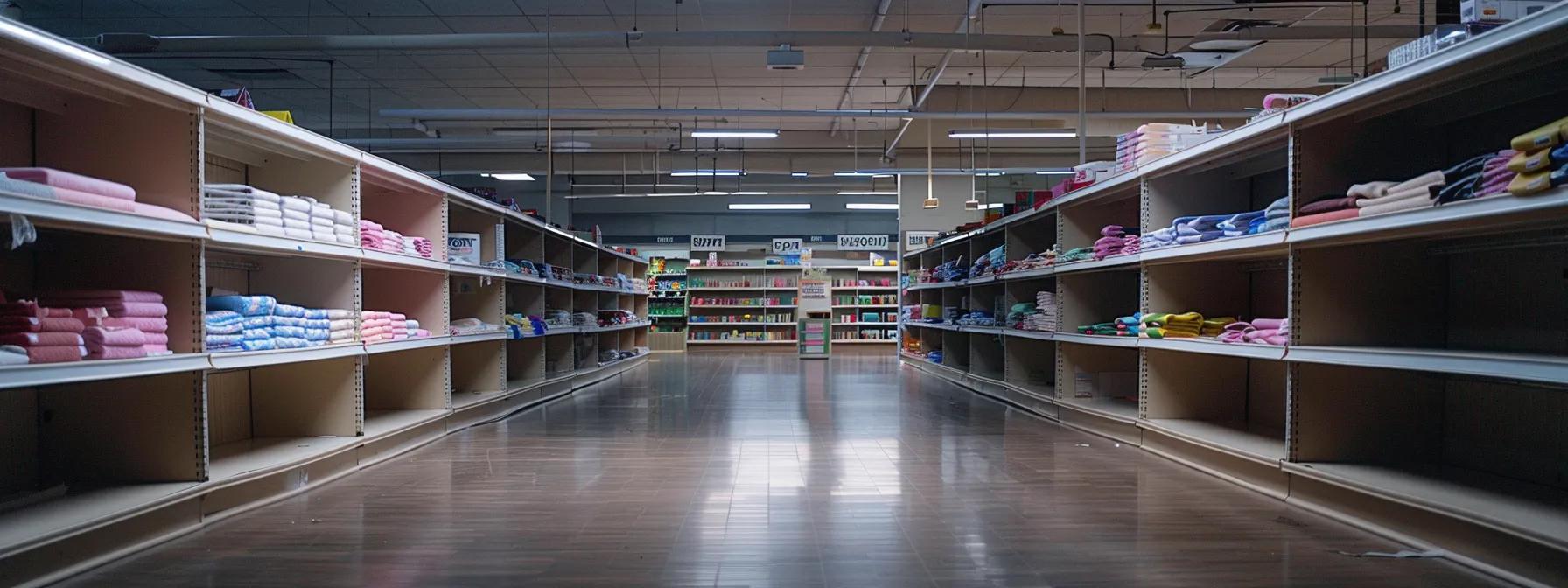
In recent times, the craft retail landscape has undergone a significant transformation, driven largely by closures at JoAnn Fabrics. These shutdowns have impacted access to essential craft supplies and disrupted the routines of quilters, sewists, and crafting enthusiasts nationwide. The underlying reasons behind these closures reveal broader economic and operational pressures, including inflation and shifting consumer behavior. With limited local options, many are turning to alternative retailers and online platforms to meet their creative needs. These changes also signal long-term implications for the industry, highlighting vulnerabilities in the supply chain and posing challenges for small businesses, traditional storefronts, and even corporate leadership tasked with navigating revenue fluctuations in a volatile market. Staying informed is essential as the crafting ecosystem continues to evolve.
What Are the Main Reasons Behind JoAnn Fabrics Store Closures?
JoAnn Fabrics stores have been closing due to a mix of economic pressures, changing consumer behavior, and market realignments. Economic downturns, rising inflation, and shrinking profit margins have put pressure on brick and mortar retailers. Small businesses and large chains alike face challenges from supply chain disruptions, while the rise of e-commerce forces traditional stores to reexamine their operations. This reality is seen in regions from stevens creek to the southern united states, where local consumer habits and store open patterns are significantly affected.
How Have Economic and Market Trends Influenced JoAnn’s Closures?
Rising costs, dwindling consumer spending, and inflation have caused declining revenue for many retailers. Increased raw material costs for fabric and yarn alike, combined with a fragmented supply chain, have further strained profitability. As online marketplaces offer lower prices and greater convenience, traditional outlets struggle to compete, leading to store closures that directly affect supply for crafts such as quilting and sewing.
Which Regions Are Most Affected by Store Closures?
Suburban areas and small towns—where foot traffic is lower—face disproportionate closures. Regions with lower population densities and economic uncertainties, including parts of el camino real and areas near wade miquelon, experience these impacts more sharply. In urban centers with an established online shopping culture, the need for physical retail is declining, underlining the challenges faced by multiple sectors in the craft industry.
How Do Store Closures Reflect Broader Retail Industry Changes?
The closures are a sign of a broader shift from brick and mortar retail to e-commerce. As consumers prioritize convenience and personalized online experiences, traditional retail is forced to adapt or exit. This trend not only impacts the craft community but reflects deep changes in the retail ecosystem that affect CEO strategies, revenue forecasts, and overall consumer behavior.
How Do JoAnn Fabrics Closures Affect Craft Supply Accessibility?
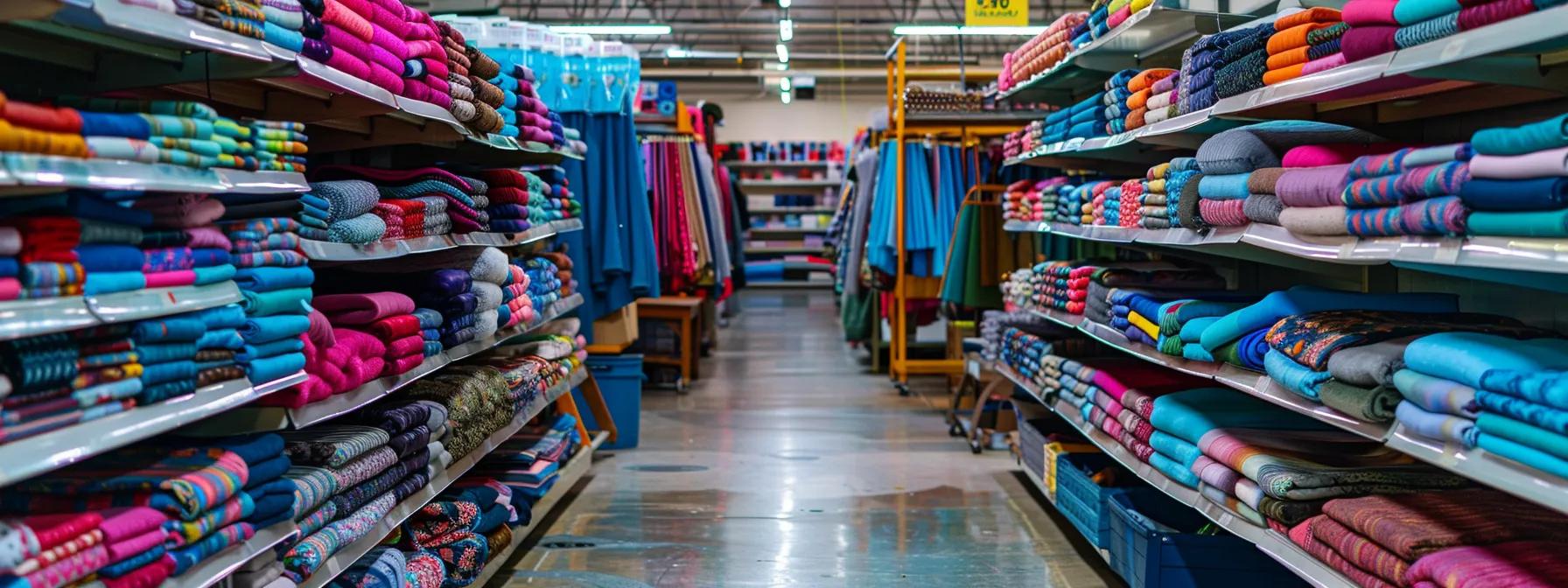
The loss of many physical stores creates a notable gap in craft supply accessibility. Without direct access to quality fabrics and crafting tools, both hobbyists and professionals face challenges such as product scarcity, price fluctuations, and reduced customer service. For consumers and small businesses that once depended on in-person advice, the impact is significant.
What Craft Supplies Are Hardest to Find After Closures?
Specialty fabrics, quilting tools, high-quality sewing machines, and unique embellishments are now harder to source. JoAnn Fabrics, long a go-to for diverse products, has left a void that makes it difficult for quilters and other craft experts to obtain materials that require expert guidance or hands-on evaluation.
How Do Closures Impact Pricing and Affordability of Supplies?
With fewer stores available, limited supplies lead to a rise in prices. Both online and independent retailers may charge more due to higher overhead and supply chain disruptions, forcing consumers to cope with premium pricing—especially on niche items that once offered competitive rates in a robust retail environment.
What Are the Effects on in-Person Shopping Convenience?
The tactile experience of choosing fabrics, testing thread quality, and receiving expert advice cannot be fully replicated online. The shift from a hands-on approach to remote purchasing has resulted in longer delivery times, uncertainty about product quality, and reduced immediate support for urgent needs, challenging the traditional craft shopping experience.
What Alternative Craft Supply Options Are Available After JoAnn Closures?
As conventional craft supply stores close, alternative avenues have emerged. Both online platforms and local independent stores now fill the supply gap, ensuring that enthusiasts continue to find quality materials for projects such as quilting and sewing.
Which Online Craft Supply Stores Offer Comparable Products?
Online retailers like Etsy and Amazon, along with specialized craft supply websites, now provide a broad range of materials including specialty fabrics, crafting tools, and sewing accessories. These platforms incorporate detailed descriptions and customer reviews to guide consumers in making informed choices despite the absence of in-person consultation.
How Can Local and Independent Stores Fill the Supply Gap?
Local craft boutiques are adapting by diversifying their product offerings and focusing on personalized customer service. These stores often source unique, locally produced supplies that emphasize quality over mass-market appeal. Community engagement and workshops further enhance the shopping experience, offering an alternative to the impersonal nature of large chain retailers.
What Role Does the Crafting Resource Hub Play in Supply Accessibility?
Crafting resource hubs—both online and in community spaces—serve as centralized centers for sharing information about available suppliers and alternative stores. They offer product reviews, tutorials, and forums that help bridge the gap between demand and supply while keeping consumers updated on promotions and market trends.
How Are Crafters Adapting to Changes in Supply Accessibility?
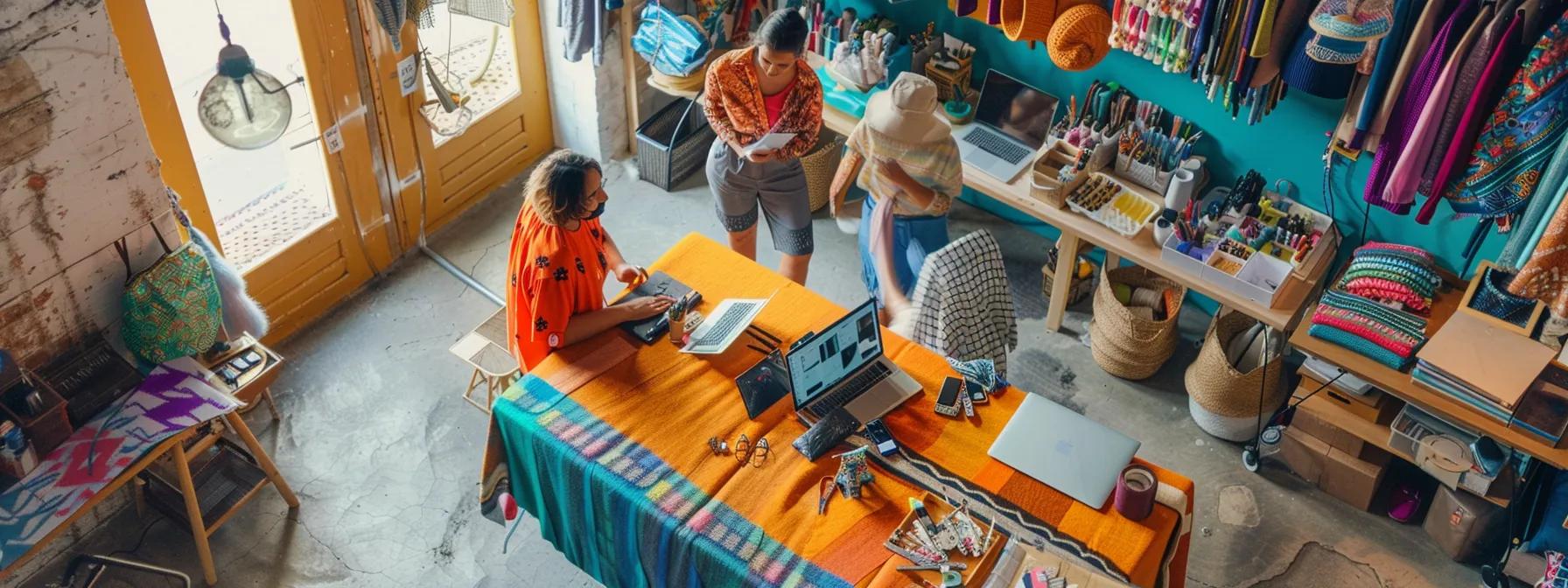
Many crafters are modifying their sourcing strategies amid JoAnn closures. By leveraging online communities, bulk buying cooperatives, and local networks, craft enthusiasts are finding innovative ways to maintain their creative flows. These adaptations also promote a more sustainable, localized craft ecosystem that benefits both consumers and small businesses.
What Strategies Do Crafters Use to Source Supplies Post-Closure?
Crafters now rely on online groups, local craft swap meets, and group buys to combine purchasing power for lower costs. Subscription boxes and curated supply kits have also grown in popularity, delivering a variety of materials directly to consumers’ doors while offering themed project ideas that maintain creative momentum despite fluctuating supply.
How Are Community Forums Supporting Supply Sharing and Information?
Platforms such as Facebook groups and dedicated community forums have become essential for real-time updates and recommendations. Virtual workshops and Q&A sessions facilitate knowledge sharing, helping members stay informed about new supply sources and alternative purchasing strategies.
What Craft Projects Are Recommended Using Easily Accessible Supplies?
Due to current supply constraints, projects using recycled fabrics, mixed media, or modern-vintage pattern fusions are increasingly popular. These projects rely on materials that are easier to source from alternative channels, allowing crafters to continue working without delay.
What Are the Long-Term Implications of JoAnn Store Closures on the Crafting Community?
The long-term effects of these closures may transform the crafting community. A shift toward digital resource sharing is likely, coupled with increased demand for unique, locally produced supplies. The fragmentation of a centralized supplier may also spur innovation among new craft supply retailers.
How Might Supply Chain Changes Affect Future Crafting Trends?
A more decentralized supply chain could lead to increased customization and improved quality standards. With eco-friendly production methods and renewed emphasis on traditional craftsmanship, future trends may foster collaborations between artists and producers that benefit both creativity and sustainability.
What Opportunities Exist for New Craft Supply Retailers?
The void left by JoAnn Fabrics creates opportunities for entrepreneurs to launch niche stores focusing on high-quality, curated materials. These new businesses can adopt omnichannel strategies that blend online convenience with local pickup and personalized workshops, offering a competitive edge in the evolving market.
How Can Online Marketplaces Support Craft Supply Accessibility?
Enhanced online marketplaces can transform from simple sellers into comprehensive craft hubs. By incorporating robust search features, community reviews, and live demos, these platforms help compensate for the challenges imposed by physical store closures, ensuring continuous material availability and support for the crafting community.
How Can Customers Stay Informed About JoAnn Fabrics Store Closures and Supply Updates?

Staying informed is key in a rapidly changing supply landscape. By monitoring multiple sources, consumers can receive timely updates on store closures, new retail alternatives, and shifting supply conditions that affect both large retail chains and independent craft stores.
What Are the Best Sources for Real-Time Closure Announcements?
Industry news websites, retail blogs, and JoAnn Fabrics’ social media channels remain the most reliable sources for up-to-date announcements. Subscribing to newsletters from alternative craft retailers or regional craft associations further ensures that consumers receive the latest information.
How Does the Crafting Resource Hub Provide Up-to-Date Supply Information?
The Crafting Resource Hub serves as a centralized platform where industry news, supply chain insights, and product reviews converge. By delivering real-time alerts and expert advice directly to users, it enables quick adjustments to sourcing strategies and better budget planning amid fluctuating market conditions.
What Tools Help Track Product Availability and Pricing Changes?
Advanced tracking apps and tools offer real-time data on stock levels, price variations, and customer feedback. These systems, which often integrate with online shopping carts and alert features, are invaluable for ensuring that both consumers and retailers remain agile in a volatile market.
What Are the Most Frequently Asked Questions About JoAnn Fabrics Store Closures?
Below are common queries from crafters regarding the closures and their broader implications:
Why Are JoAnn Fabrics Stores Closing?
JoAnn Fabrics stores are closing primarily due to economic pressures, rising inflation, and a competitive shift toward e-commerce. These challenges compel the chain to consolidate physical locations to protect revenue.
How Can I Find Craft Supplies Near Me After a Closure?
Alternative supplies can be found via online directories, local craft associations, and independent retailers. Community bulletin boards and social media groups also offer real-time updates on local supply options.
Are Online Craft Supply Options Reliable Alternatives?
Yes, reputable online options provide competitive pricing, a wide product selection, and detailed reviews—even if they lack the tactile, in-person service of a physical store.
What Should I Do if I Can’t Find Specific Craft Materials?
If certain materials become hard to find, consider using community forums, craft swaps, or local maker spaces. Additionally, many online retailers offer stock alerts to notify you when needed items are available.
Final Thoughts
In summary, the closures of JoAnn Fabrics stores have reshaped the craft retail landscape, affecting availability, pricing, and the overall shopping experience. While economic challenges and digital shifts drive these changes, innovative alternatives—from local independent stores to robust online platforms—offer viable solutions. Staying informed through credible sources and resource hubs is essential for adapting to evolving supply chain realities that impact both consumers and small businesses alike. Embracing these shifts will help ensure your passion for quilt making, sewing, and other craft projects continues uninterrupted.
Frequently Asked Questions
Q: What are the main factors contributing to JoAnn Fabrics store closures? A: Economic pressures, rising inflation, and the competitive shift toward e-commerce are the primary factors driving the closures.
Q: How will these closures affect local craft supply availability? A: With fewer physical stores, local supply decreases, leading to higher prices and reduced convenience for in-person shoppers.
Q: Can online craft supply retailers fully replace traditional stores? A: While online retailers offer broad selections and competitive prices, they cannot fully replicate the in-person guidance and tactile benefits of physical stores.
Q: What steps can I take to ensure a steady supply of craft materials? A: Monitor crafting resource hubs, subscribe to newsletters from local and online retailers, and engage with community forums for the latest updates.
Q: Are independent craft stores a viable alternative to chain closures? A: Yes, independent stores often provide unique products, personalized service, and strong community engagement that can effectively replace large-chain retailers.