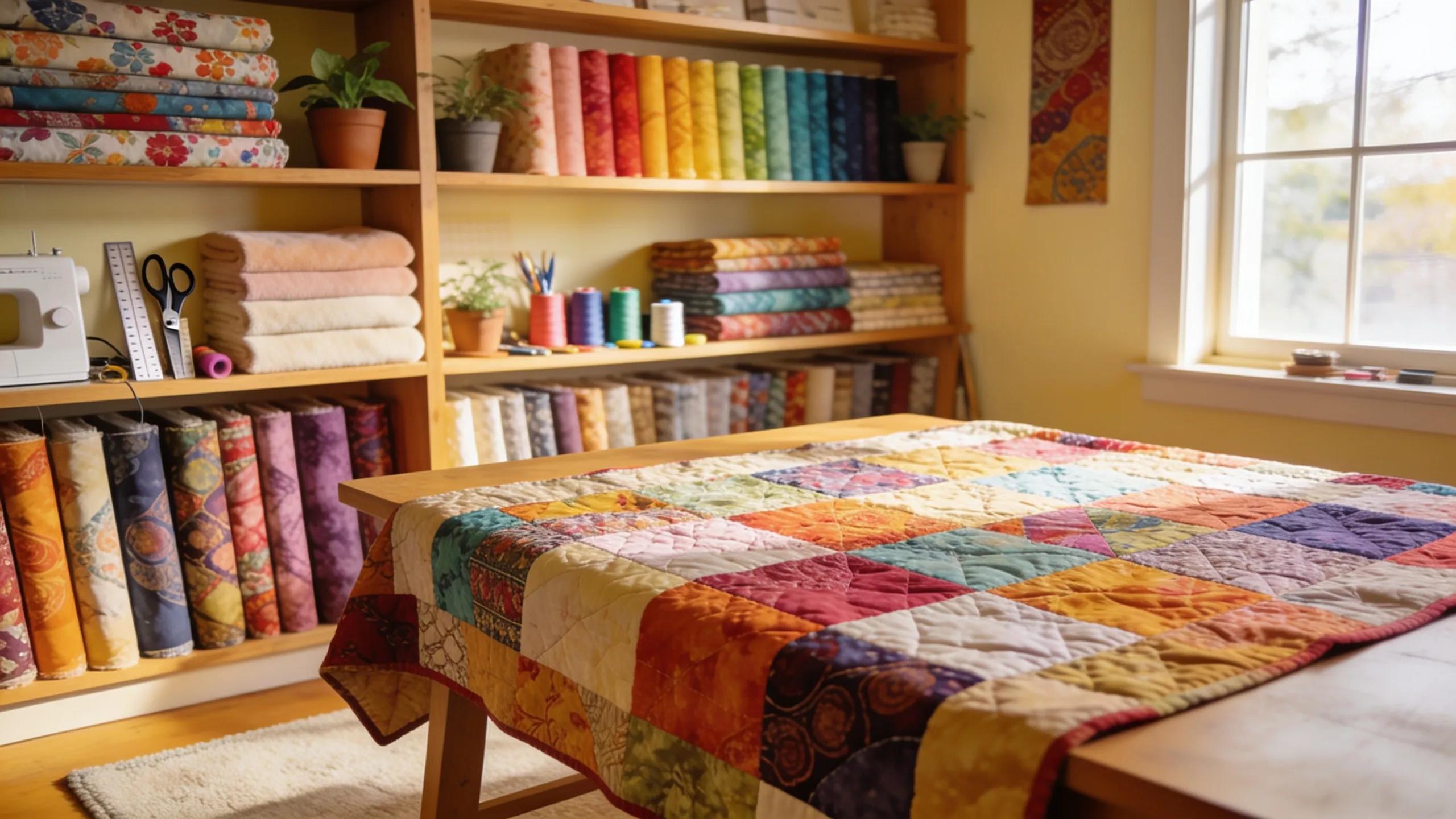
Selecting the right fabric is essential for quilters aiming for high-quality projects that stand the test of time. This guide will explore the various types of quilting fabric available, evaluate their quality and compatibility with different projects, and offer preparation techniques to enhance your quilting experience. Whether you're a beginner or an experienced quilter, understanding fabric properties is crucial for creating stunning quilts. Knowing how to choose the best quilting fabric will allow you to achieve stunning results in your quilting endeavors.
In this article, we will cover key aspects of quilting fabric selection, including the different types available, how to assess their quality, and practical shopping tips. We’ll also discuss the importance of fabric preparation techniques and how to match fabric choices to specific projects. With these insights, you will be empowered to make informed decisions that elevate your quilting skills.
Understanding Fabric Types
When choosing quilting fabric, it’s important to understand the various types available. Quilting fabrics can be broadly classified into two categories: natural fibers and synthetic fibers. Natural fibers, such as cotton, linen, and wool, are often favored for their breathability and comfort. Conversely, synthetic fibers like polyester offer durability and stain resistance.
Specialty fabrics are also gaining popularity among quilters. These include organic cotton fabric, which is environmentally friendly, and blended fabrics that combine the strengths of different materials. Knowing the distinctions between these types will help you select the right fabric based on your quilt's design and function.
Evaluating Fabric Quality
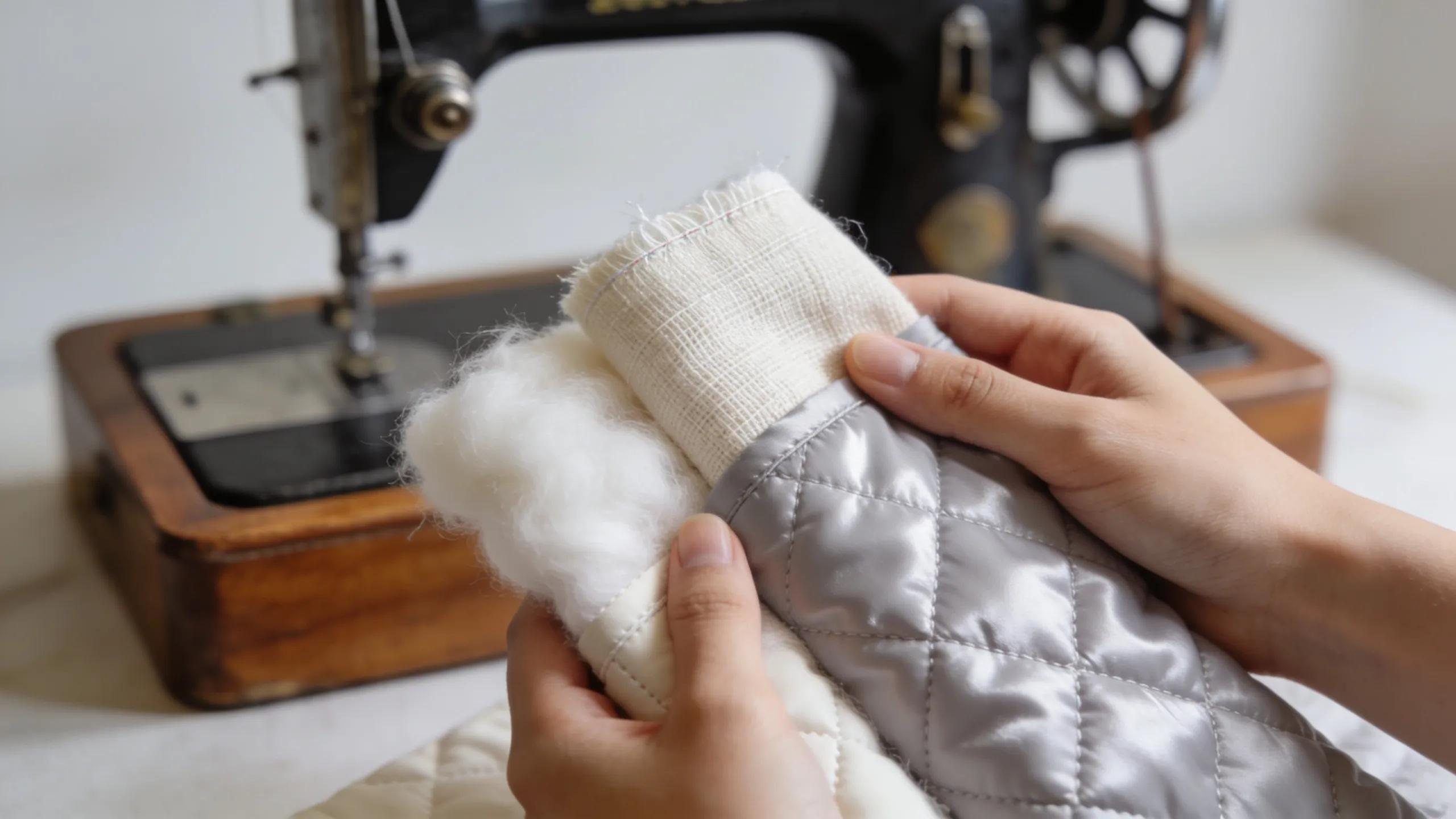
Assessing the quality of quilting fabric involves several factors that influence the finished project’s appearance and longevity. One major characteristic to consider is the fabric's weight. Heavier fabrics tend to drape better and provide a luxurious feel, while lighter fabrics can be easier to handle for certain projects.
Another critical factor is the thread count, which indicates the density of the threads woven together. Fabrics with higher thread counts generally offer better durability and feel smoother against the skin. Choosing the right quality fabric can significantly impact your quilting success, as inferior materials can lead to issues like fraying or color bleeding.
|
Fabric Type |
Quality Indicator |
Suitable For |
|---|---|---|
|
Cotton |
Weight & Thread Count |
Most quilting projects |
|
Polyester |
Durability & Care |
Everyday quilts & children's items |
|
Specialty Fabric |
Specific function |
Unique projects & aesthetics |
High-quality quilting materials not only improve the quilt's overall look but also enhance its durability.
Matching Fabric to Project Type
Choosing the right fabric based on the type of quilt you are making is vital. Here are some recommendations for various quilt types:
-
Lap Quilts: Cotton is ideal for its softness and ease of use, making it the preferred choice for lap quilts.
-
Baby Quilts: For baby quilts, cotton fabric is recommended for its gentle touch on sensitive skin. Avoid synthetic materials that may not be as breathable.
-
Seasonal Quilts: Consider using blended fabrics for seasonal quilts as they can provide vibrant colors and patterns that capture the spirit of the season.
Understanding the characteristics of each fabric type helps in selecting the best options for your quilting projects, ensuring they meet both aesthetic and functional requirements.
Preparation Techniques
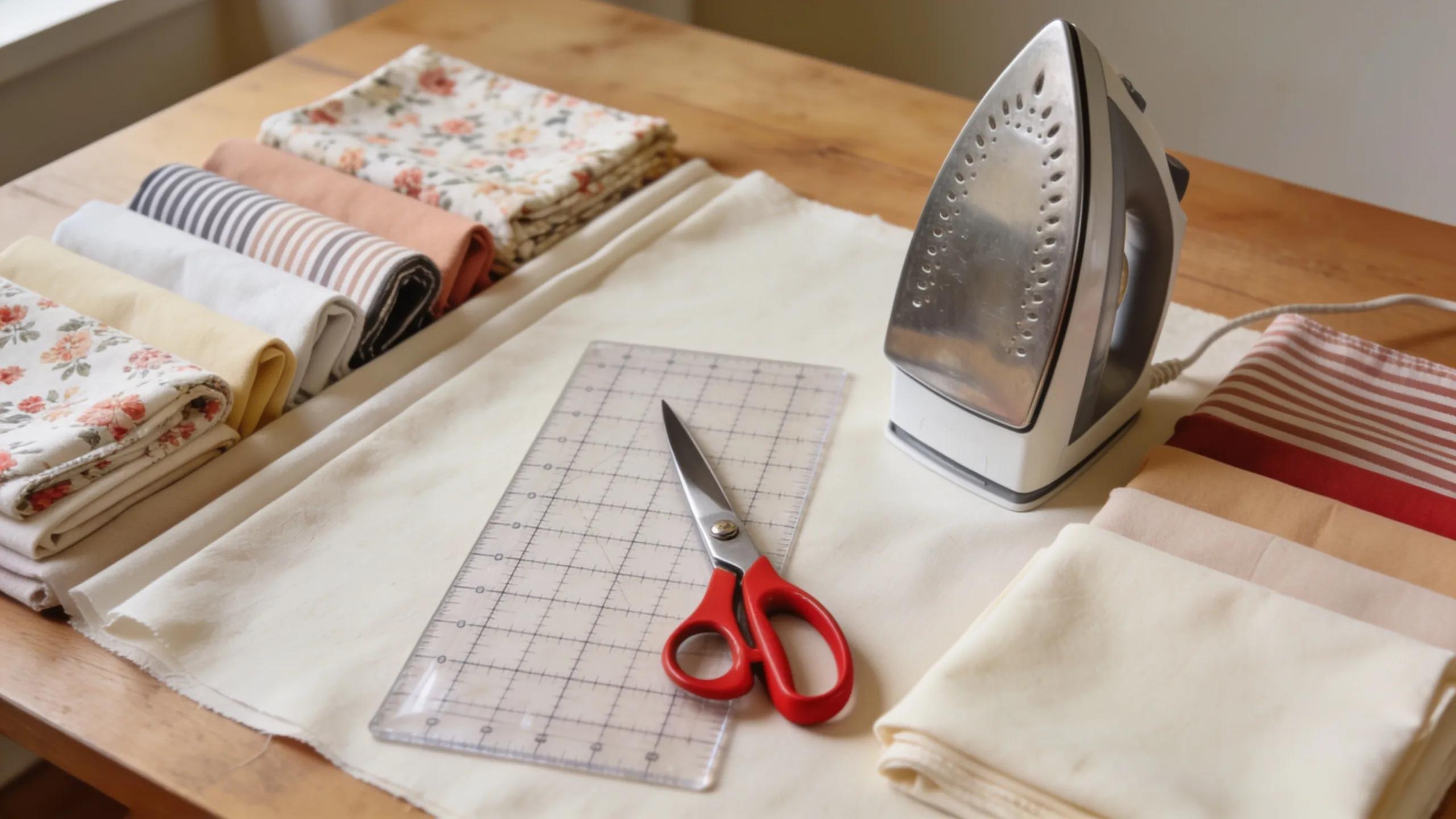
Proper preparation techniques are essential for ensuring that your fabric performs well in your quilting projects. One important step is to prewash your fabrics. This process removes chemicals and reduces the risk of shrinking or color bleeding after the quilt is completed.
In addition to prewashing, you should also consider pressing your fabrics before cutting them into pieces. This step not only flattens any wrinkles but also helps the fabric lay more accurately for cutting. Identifying the right side of the fabric is also crucial, as some fabrics have directional prints that could affect the final layout of your quilt.
Practical Shopping Tips
When shopping for quilting fabric, it’s important to know how to assess its quality effectively. Here are some practical tips for making informed decisions:
-
Check the Texture: Feel the fabric to evaluate its softness and weight. High-quality quilting fabric should feel pleasant to the touch.
-
Examine the Grainline: Make sure to check the grainline when cutting pieces, as this will directly influence how the fabric behaves and fits in your quilt.
-
Calculate Fabric Yardage: Ensure you buy enough fabric by calculating the total yardage required for your project based on the pattern instructions.
For those looking to make their shopping easier, Nebraska Quilt Company offers an extensive selection of quilting materials and accessories that cater to varying project needs. Their specialization in high-quality fabrics ensures you'll find the right material for your next project.
Considerations for Skill Level
When selecting quilting fabric, it's also essential to consider your skill level. Beginners may prefer beginner-friendly fabrics, like pre-cuts or basic cottons, which are easier to work with and come in standard sizes.
Intermediate and advanced quilters might explore more intricate options, such as specialty fabrics or intricate patterns that require greater sewing knowledge. As your skills grow, experimenting with different fabric types can provide new challenges and enhance your creativity.
Building a Fabric Swatch Library
Creating a fabric swatch library can be incredibly beneficial for any quilter. A swatch library helps you visualize how different fabrics combine and can guide your decisions in future projects.
Start by collecting samples of fabrics you love or those you frequently use. Organize them by color or pattern and label them for easy reference. Over time, having a well-organized swatch library will significantly streamline your project planning.
Engaging with the Community
Being part of a quilting community can offer immense benefits. Not only does it foster learning through shared experiences, but it also opens opportunities for collaboration.
Participating in community events or taking classes can enhance your quilting skills while allowing you to meet fellow enthusiasts. Nebraska Quilt Company often conducts workshops that allow quilters of all skill levels to engage and learn new techniques, making it a great place to build connections and expand your quilting knowledge.
Whether it's through collaborative projects or online forums, building relationships with fellow quilters can lead to valuable insights, inspiration, and creativity in your crafting journey.