
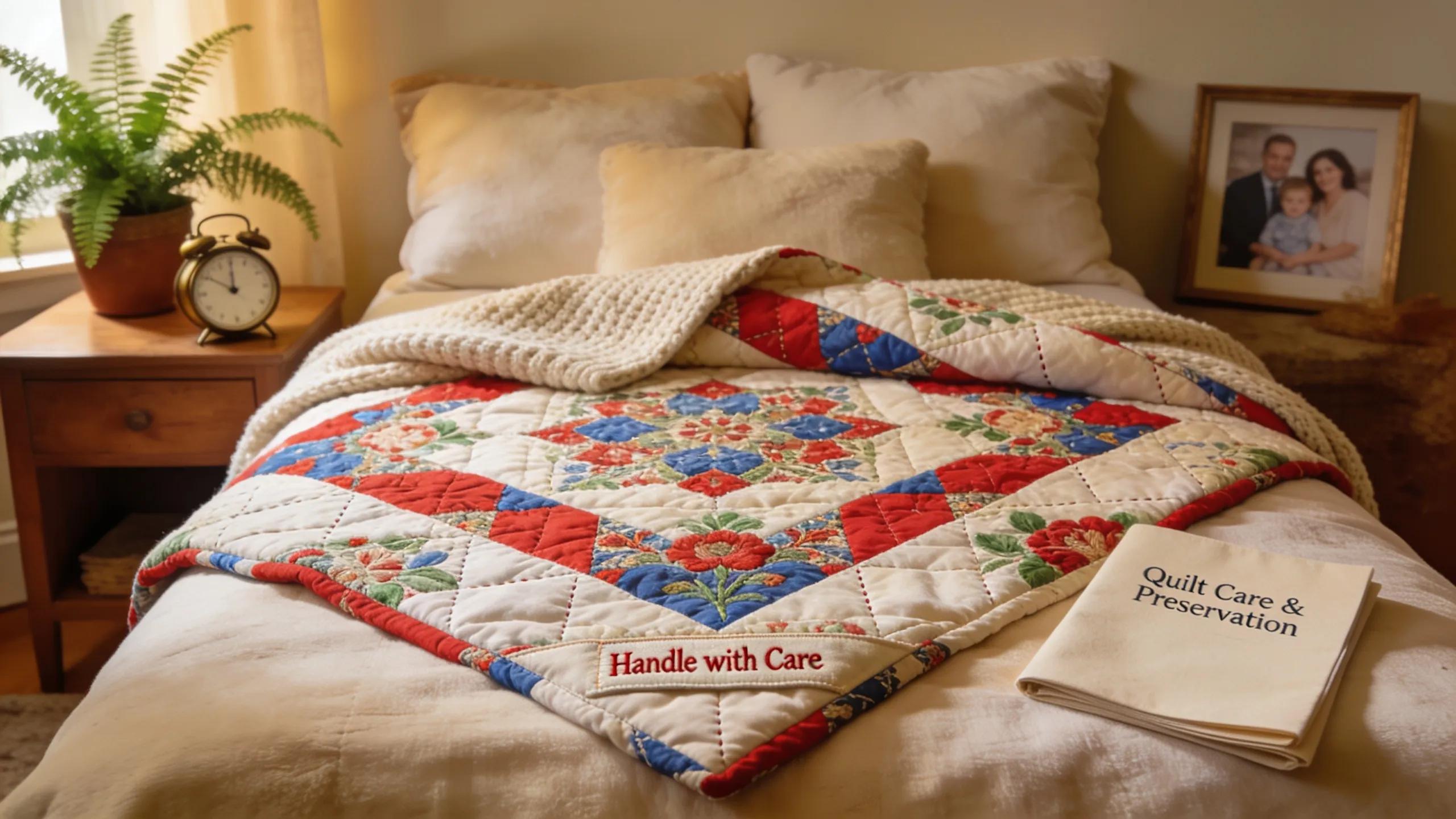
Caring for your quilt is essential to preserve its beauty and functionality, ensuring it remains a cherished item for years to come. This guide will delve into various cleaning and storage techniques tailored specifically for quilts, helping you maintain their quality and longevity. Quilts often serve as heirlooms, and as such, understanding how to care for them is critical to preserving their integrity. Many quilt owners struggle with choosing the right cleaning methods and storage solutions that will effectively protect their pieces while enhancing their aesthetic appeal. This article will cover best practices for cleaning techniques, proper storage, and when to seek professional help, ensuring your quilt receives the expert care it deserves.
Cleaning Techniques:
Effective cleaning techniques are vital for maintaining the appearance and longevity of your quilt. Regular cleaning can prevent dirt buildup and preserve colors, while improper washing can cause irreversible damage. To clean quilts effectively, it is essential to assess the type of fabric and the construction of the quilt. Using the right cleaning methods can help maintain fabric integrity and prevent fading. Moreover, understanding how to handle different quilts—such as handmade or vintage—can prove beneficial in avoiding damage during the cleaning process.
What Are the Best Quilt Cleaning Methods?
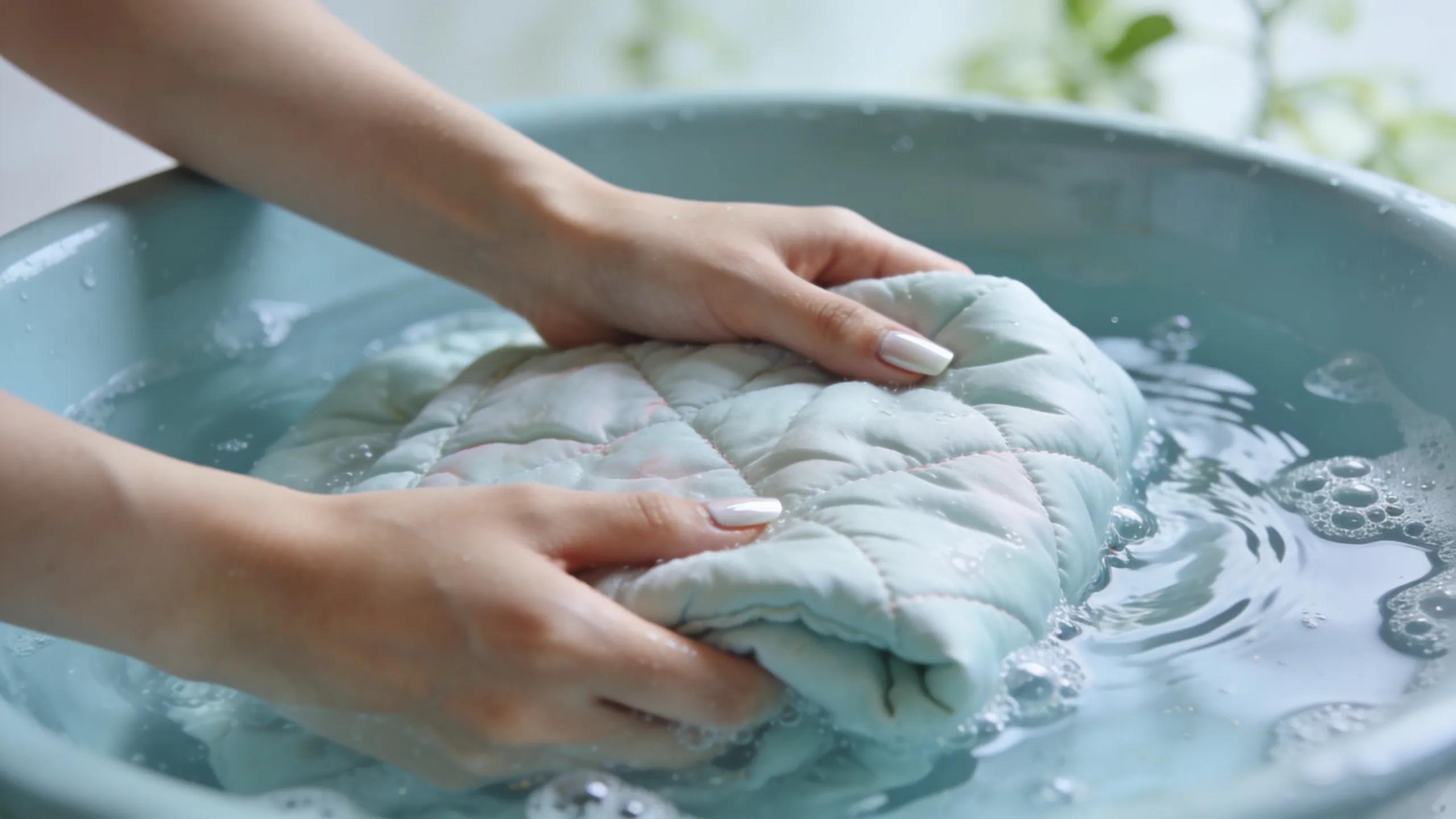
When it comes to quilt cleaning methods, hand washing and gentle machine washing are among the most effective options. Hand washing is ideal for delicate quilts as it allows you to control the water movement and heat, reducing the risk of tangling or damaging the fibers. Conversely, gentle machine washing with a slow cycle can be effective for sturdier quilts when paired with a mild detergent. Using these methods helps maintain the quality of the fabric while ensuring the quilt remains clean and fresh.
How Do Hand Wash and Gentle Machine Wash Compare for Quilts?
Hand washing provides an opportunity to soak the quilt thoroughly, ensuring that dirt and oils are lifted without the harsh movements of a machine. Gentle machine washing, however, can save time and is suitable for more durable fabrics. The key difference lies in the amount of control you have over the process; for fragile quilts, hand washing is often the preferred technique, while machine washing may suffice for everyday quilts.
Which Cleaning Products Are Safe and Effective for Different Quilt Fabrics?
Selecting the right cleaning products is crucial for preserving your quilt. Safe and effective products include gentle detergents specifically designed for delicate fabrics. These products help mitigate color bleeding and maintain the overall integrity of the quilt. It's important to avoid bleach and harsh chemicals that can degrade the fabric over time. Testing products on a small area before proceeding with the full wash ensures that the fabric reacts positively.
How Should You Wash Handmade and Vintage Quilts?
Handmade and vintage quilts often require extra precautions during washing to prevent damage due to their unique materials and construction methods. For these quilts, hand washing in cool water with a mild detergent and air drying is recommended. This gentle approach helps maintain the quilt's structural integrity while keeping the colors vibrant and the fabrics intact.
What Special Washing Techniques Preserve Fabric Integrity in Vintage Quilts?
To preserve fabric integrity, vintage quilts benefit from specific washing techniques such as cold water rinses and avoiding the spin cycle in machines. Additionally, line drying rather than using a dryer can prevent shrinkage and fabric wear. Using a mesh laundry bag when machine washing helps provide an extra layer of protection against agitation.
When and How Often Should Handmade Quilts Be Washed?
Handmade quilts should be washed only when necessary, typically when they begin to show visible dirt or stains. For quilts used frequently, a seasonal wash is a good practice. Conversely, those displayed as decor may only require occasional spot cleaning. Over-washing can lead to fabric wear, so it's essential to balance cleanliness with preservation.
Storage Techniques:
Proper storage techniques are crucial to ensuring your quilt remains in pristine condition over time. Quilts need to be stored in a way that protects them from environmental factors such as moisture, light, and pests. There are various storage options available, from breathable bags to climate-controlled spaces, each serving to enhance quilt preservation. Choosing the right storage solution can prolong the life of your quilt and maintain its aesthetic quality.
What Are the Best Practices for Long-Term Quilt Storage?
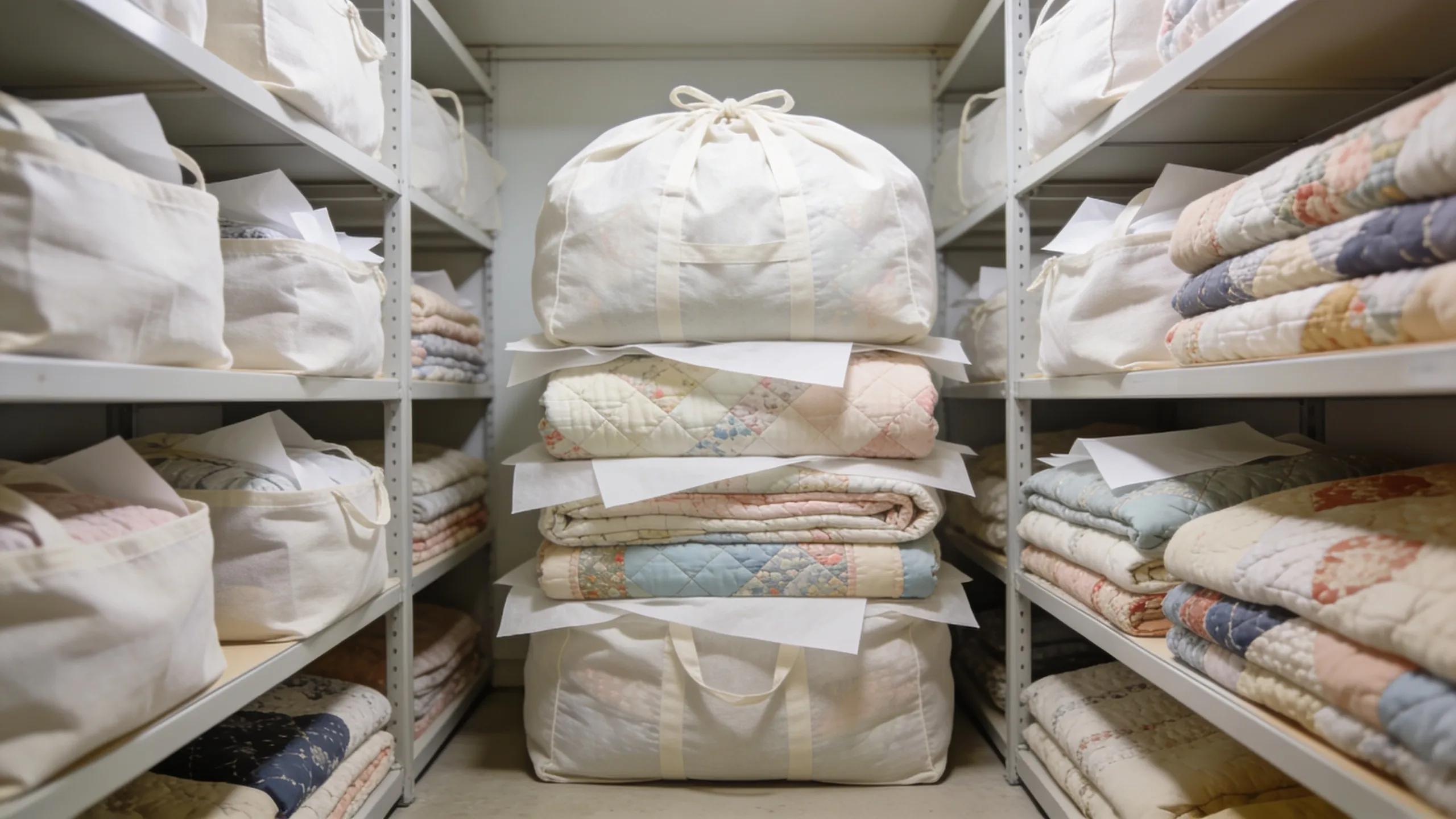
For long-term quilt storage, consider using breathable storage bags or cotton sheets that allow air circulation while preventing moisture buildup. Avoid plastic storage containers, which can trap humidity and lead to mold or mildew development. Additionally, storing quilts in a cool, dark place helps protect them from direct sunlight and humidity, preserving their colors and fibers.
How Do Temperature, Humidity, and UV Exposure Affect Quilt Preservation?
Temperature, humidity, and UV exposure are critical factors that influence quilt preservation. High humidity can cause mold growth, while extreme temperatures can affect fabric integrity. Protecting quilts from UV light is also essential to prevent fading and degradation of color. Ideally, quilts should be stored in a stable environment that avoids fluctuating temperatures and moisture levels.
What Storage Solutions Prevent Damage and Maintain Quilt Quality?
To prevent damage, utilizing breathable fabric bags and placing acid-free tissue paper between folds can help maintain shape and avoid creasing. Additionally, employing a climate-controlled environment can enhance overall preservation, ensuring the quilt remains beautiful over time. Avoiding overcrowding in storage can also prevent crushing and restore each quilt to its full form when displayed.
Professional Help:
Sometimes, seeking professional help is the best way to ensure proper quilt care, especially for valuable or damaged pieces. Expert restorers possess specialized knowledge in cleaning and repairing quilts, using techniques tailored to specific materials and designs. Understanding when to consult with these professionals can save your quilt from irreversible damage caused by improper cleaning or storage methods.
Where Can You Find Expert Quilt Care Classes and Recommended Products?
Quilt care classes are often available through local crafting groups, online platforms, or specialized quilting stores such as the Nebraska Quilt Company. These resources offer valuable knowledge on quilt preservation techniques and product recommendations. Nebraska Quilt Company also emphasizes the importance of high-quality fabric care products that are safe for use with quilts, ensuring your cleaning process is both effective and gentle on the fabrics.
What Quilt Care Skills Are Taught in Professional Workshops?
Workshops in quilt care typically cover various skills such as fabric identification, effective cleaning methods, and proper storage techniques. Participants learn the intricacies of maintaining different types of quilts, from understanding the care needs of handmade quilts to executing repairs on vintage pieces. Gaining these skills through hands-on instruction can significantly enhance one's ability to care for quilts effectively.
Which Cleaning and Storage Products Does Nebraska Quilt Company Recommend?
Nebraska Quilt Company recommends products specifically formulated for quilt care, such as gentle detergents and breathable storage bags. These products are designed to protect your investment while enhancing the aesthetics of your quilt. Choosing the right products is key to successful quilt maintenance, ensuring that each piece remains an exquisite part of your collection for many years to come.