
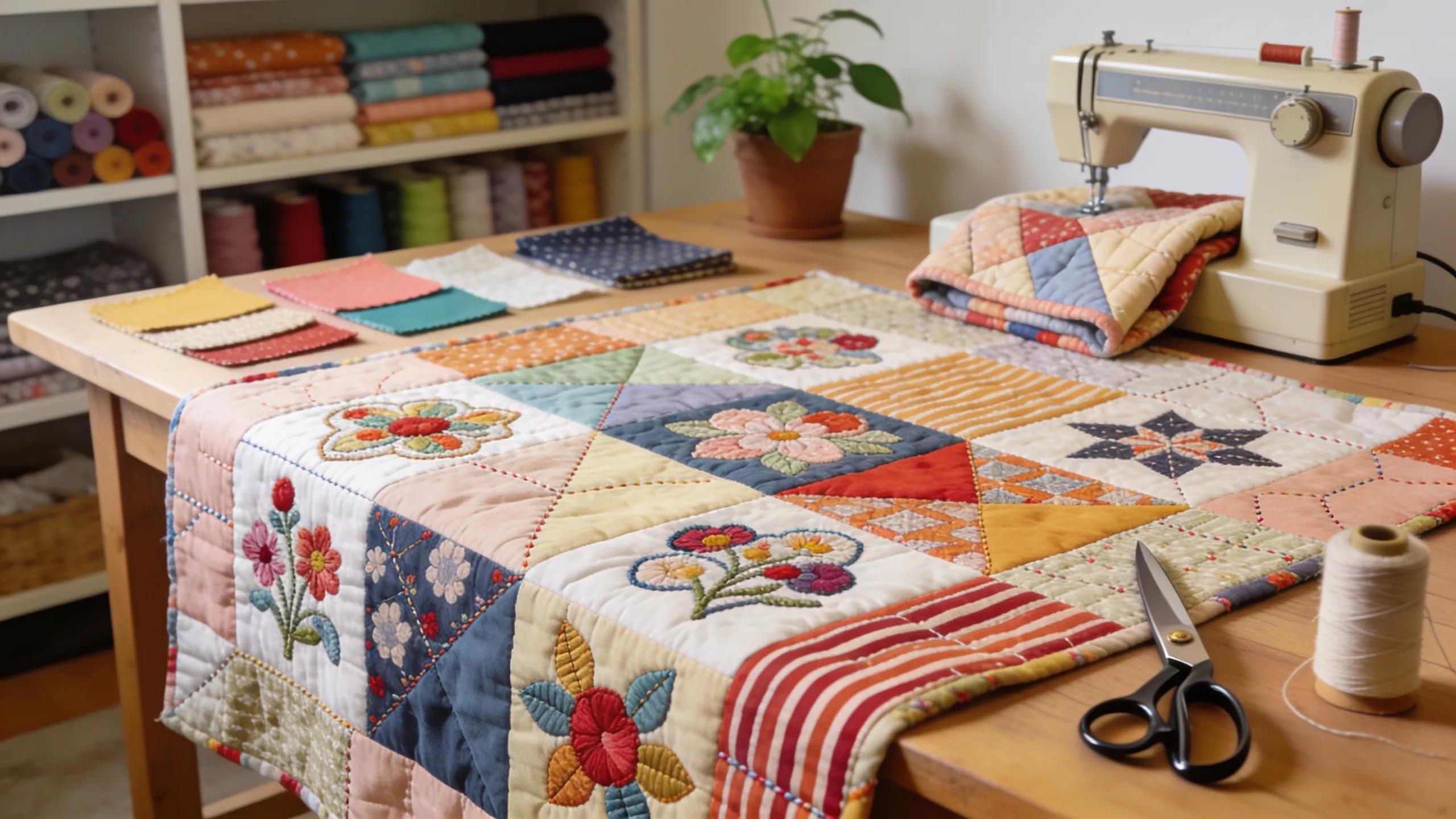
When it comes to quilting, the choice of technique can greatly influence the outcome of a project. Appliqué and piecing are two popular methods, each offering unique advantages and aesthetic appeal. Understanding these techniques helps quilters select the best approach for their projects, whether they aim for intricate designs or simple, classic patterns. In this article, we will delve into the specifics of appliqué and piecing quilting techniques, exploring their definitions, differences, benefits, and practical applications. This guide aims to provide comprehensive insights, helping both novices and experienced quilters make informed decisions while crafting their quilts. The following sections will cover comparisons of the two methods, key differences, advantages, applications, and tips for selecting materials that enhance your quilting process.
Comparison of Appliqué and Piecing Quilting Techniques
Appliqué and piecing are foundational techniques in quilting, each serving distinct purposes and achieving different effects. Appliqué involves sewing one fabric piece onto another to create decorative designs. This technique allows for vibrant colors and the use of various textile patterns, making it ideal for artistic expression. On the other hand, piecing refers to the process of sewing together multiple fabric pieces to form a larger piece of fabric, often resulting in geometric patterns. Both methods require a careful selection of materials and a steady hand, offering unique rewards for quilters of all skill levels.
Technique:
In appliqué, the focus is primarily on layering fabrics to form images or designs. This technique can involve various styles, such as raw-edge or needle-turned appliqué, allowing for creative freedom in quilt design. On the contrary, piecing emphasizes the structural assembly of fabric pieces into a cohesive whole. This method often involves precision cutting and sewing to achieve clean seams and straight lines, making it crucial for patterns like patchwork or traditional quilt blocks.
Design Focus:
While appliqué allows for artistic expression and personalized designs—ranging from simple shapes to detailed scenes—piecing focuses on geometric precision and pattern repetition. Appliqué can transform a quilt into a canvas of storytelling through fabric, while piecing is celebrated for its balanced aesthetics and classic charm. Understanding the intent behind each technique aids quilters in selecting their preferred approach based on their project goals.
Key Differences:
The primary distinctions between appliqué and piecing techniques lie in their methods, intended designs, and results. Appliqué allows for more artistic creativity, utilizing fabric layers to depict images, while piecing revolves around the arrangement of fabric pieces to construct comprehensive designs. The choice of technique may depend on the quilter’s goals—whether they seek to tell a story or create a visually harmonious pattern.
Advantages:
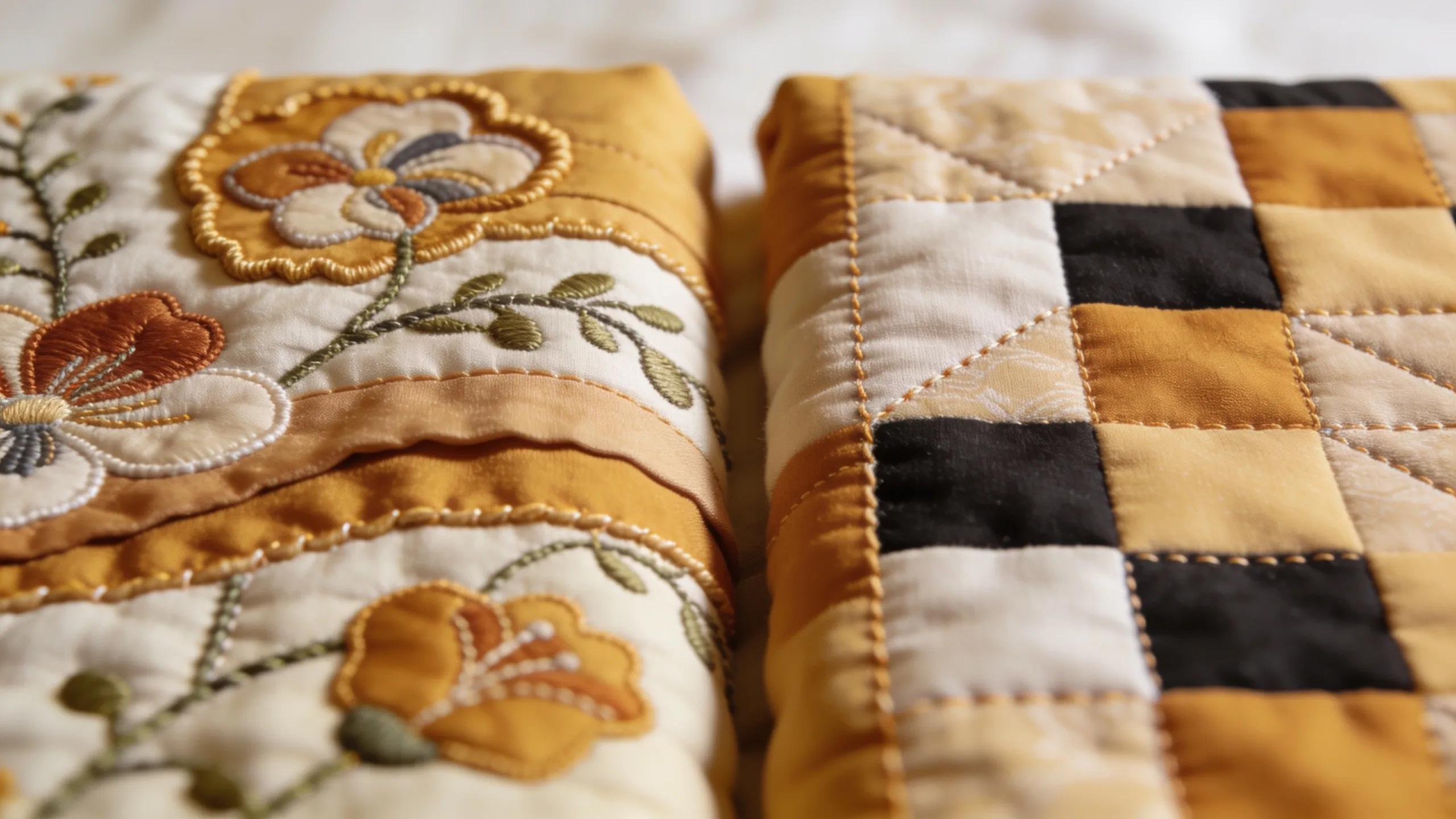
Both quilting techniques come with their own sets of benefits, appealing to different preferences and project needs.
|
Technique |
Advantage |
Examples |
|---|---|---|
|
Appliqué |
Creative expression through fabric layering, allowing for diverse designs |
Themed quilts, decorative wall hangings, artistic pieces |
|
Piecing |
Speed and simplicity in construction, great for beginners |
Traditional quilts, large block quilts, straightforward patterns |
Appliqué:
Appliqué offers significant creative potential. Quilters can showcase their unique styles through diverse fabric choices and design compositions. This technique allows for stunning visual narratives, making it an ideal choice for those interested in artistic quilts or personalized gifts.
Piecing:
The piecing technique is often favored for its structural benefits and ease of learning. It provides a solid foundation in quilting basics, making it suitable for beginners. The ability to quickly assemble quilt tops using pre-cut fabric pieces can lead to greater project completion rates, creating a satisfying experience for new quilters.
Applications:
Understanding where and how to best utilize each technique can greatly enhance the effectiveness of your quilting projects.
Appliqué:
Appliqué is well-suited for projects that aim to tell a story or create a thematic display. It works exceptionally well for children’s quilts, decorative pillows, and wall hangings where visual interest is paramount. The richness of fabric options allows for detailed designs that can captivate viewers and bring personal themes to life.
Piecing:
Piecing techniques are often applied in creating traditional quilts, such as those featuring classic patterns like the log cabin or star blocks. This method is perfect for large quilts that require consistency in pattern and design, making it an excellent choice for quilters focused on practical projects, such as bed coverings or community donations.
Nebraska Quilt Company supports quilters by providing high-quality fabrics and tools perfect for both appliqué and piecing techniques. With their extensive selection, crafters can easily find materials that align with their creative visions and project requirements.
What Are the Key Differences Between Appliqué and Piecing Quilting?
The key differences between appliqué and piecing quilting can be summarized into their core definitions, intended designs, and the skill levels required for mastery. While appliqué focuses on layering and fabric placement to create designs, piecing emphasizes patching fabric for structural aesthetics.
How Does Appliqué Quilting Technique Work?
The appliqué quilting technique involves sewing layers of fabric onto a base layer to create patterns. Quilters choose their fabric shapes, pin or baste them in place, and then stitch around the edges to secure each piece. By varying the stitches used, such as straight, zigzag, or decorative stitching, one can achieve different visual effects.
What Is the Piecing Quilting Method?
The piecing quilting method entails cutting fabric into various shapes and then sewing them together to create blocks or larger quilt tops. This process requires measuring, cutting accurately, and assembling pieces in a manner that ensures all edges align neatly. Precision in piecing creates the aesthetic of the quilt, making clean cuts essential for professional results.
Which Quilting Techniques Are Best for Beginners?
Yes, piecing is often regarded as the most accessible quilting technique for beginners due to its straightforward nature and the minimal need for intricate fabric manipulation. It allows new quilters to build foundational skills and gain confidence in sewing before tackling more complex methods like appliqué.
What Are Essential Tools for Hand Appliqué vs. Machine Appliqué?
For effective hand appliqué, essential tools include sharp embroidery scissors, appliqué pins, and fabric glue. In contrast, machine appliqué requires a sewing machine compatible with a zigzag or appliqué stitch, specialized feet for better maneuverability, and stabilizers to prevent fabric distortion during the stitching process.
What Piecing Tools and Methods Support Beginner Success?
Beginners can greatly benefit from using rotary cutters, cutting mats, and quilting rulers when piecing. These tools help achieve precise fabric cuts, essential for aligning quilt pieces accurately. Additionally, using pre-cut fabric bundles or charm packs can simplify the process and offer diverse fabric options without the need for extensive cutting.
How Do Fabric Choices Influence Appliqué and Piecing Quilt Projects?
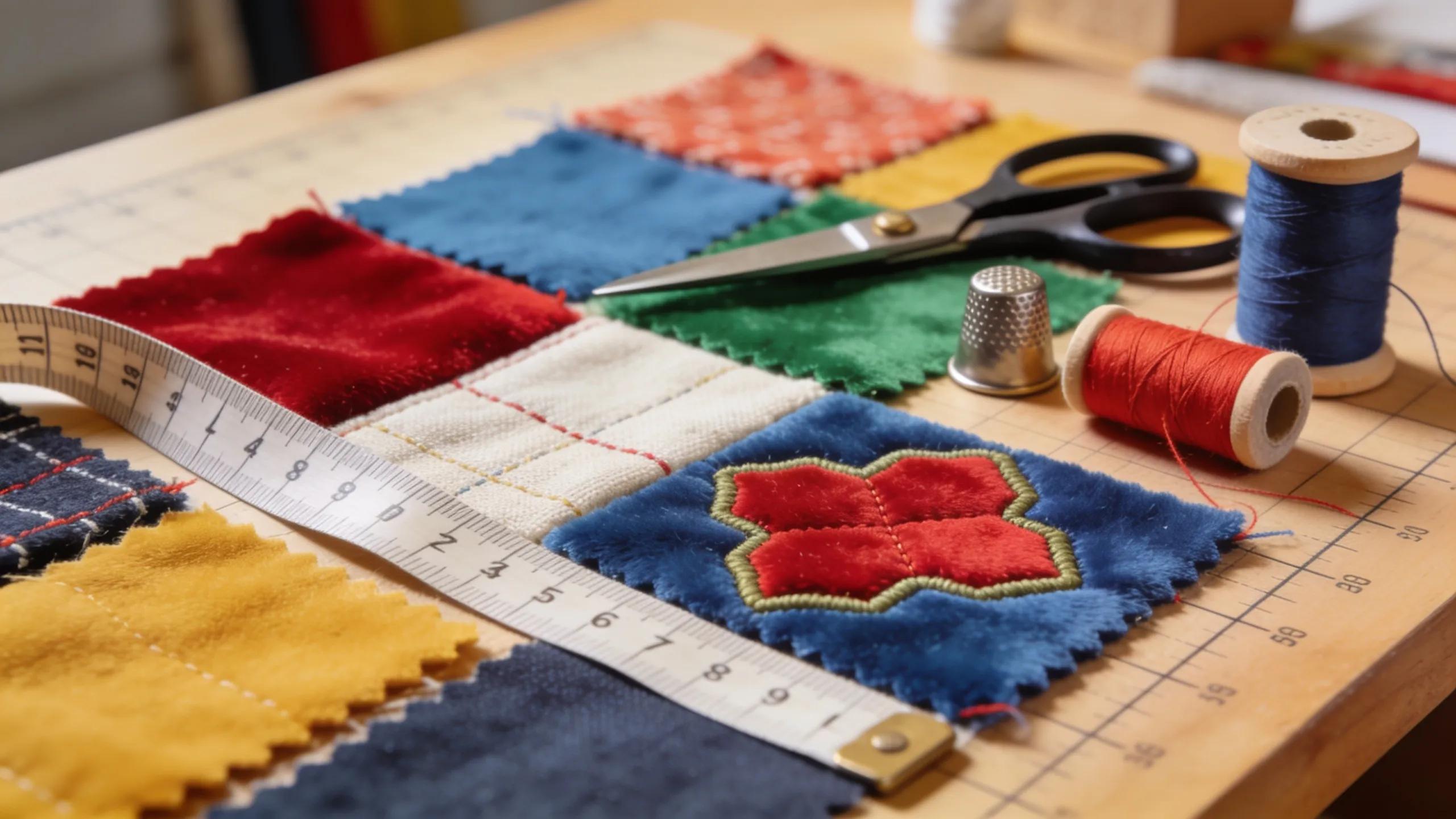
Fabric choices fundamentally influence the final appearance of both appliqué and piecing quilts. For appliqué, selecting high-contrast fabrics can enhance the visibility of details, while in piecing, using coordinating or contrasting colors can create visually striking patterns. Moreover, durable fabrics are recommended for quilt longevity.
Which Fabrics Are Ideal for Appliqué Quilting?
For appliqué quilting, cotton fabric is often preferred due to its ease of use and availability in a vast array of colors and patterns. Additionally, cotton blends may also work well, providing flexibility and maintaining shape over time, which is crucial for intricate designs.
What Fabrics Optimize Piecing Quilting Results?
Piecing techniques thrive on heavyweight cotton fabrics that provide stability and structure. Quilting cotton is an excellent choice as it withstands the stresses of piecing and ensures a polished finish. Furthermore, the variety of fabrics available allows quilters to mix prints and solids creatively.
Where Can You Learn and Improve Appliqué and Piecing Quilting Skills?
Many resources are available for quilters looking to improve their skills in appliqué and piecing techniques. Online tutorials, local quilting classes, and community workshops offer hands-on guidance and a platform for sharing tips and tricks with fellow craft enthusiasts.
What Quilting Classes Cover Appliqué and Piecing Techniques?
Classes at Nebraska Quilt Company focus on both appliqué and piecing techniques, catering to all skill levels. With expert instructors guiding new quilters, participants can gain practical experience and insights that enhance their understanding of these two essential techniques.
How Do Quilting Machines Support Advanced Appliqué and Piecing?
Quilting machines play a significant role in enhancing both appliqué and piecing techniques. Advanced machines offer features such as automatic stitching, enhanced speed, and specialized functions like walking feet that help in achieving precision with both methods. This technology allows quilters to expand their creative capabilities and tackle more complex projects.