
Quilting is a rewarding craft that combines creativity with practical skills, allowing enthusiasts to express themselves through fabric and thread. This comprehensive guide is designed for beginners eager to dive into the world of quilting. By the end of this article, you will learn the essential supplies needed, discover beginner-friendly patterns, and explore available classes that can accelerate your quilting journey. Many newcomers face the challenge of knowing where to begin; this guide addresses that concern by breaking down every aspect—from fundamental materials to instructional resources. Let's explore how to start quilting, focusing on the essential supplies, pattern choices, and the classes that can help make your quilting adventure enjoyable and successful.
Essential Supplies
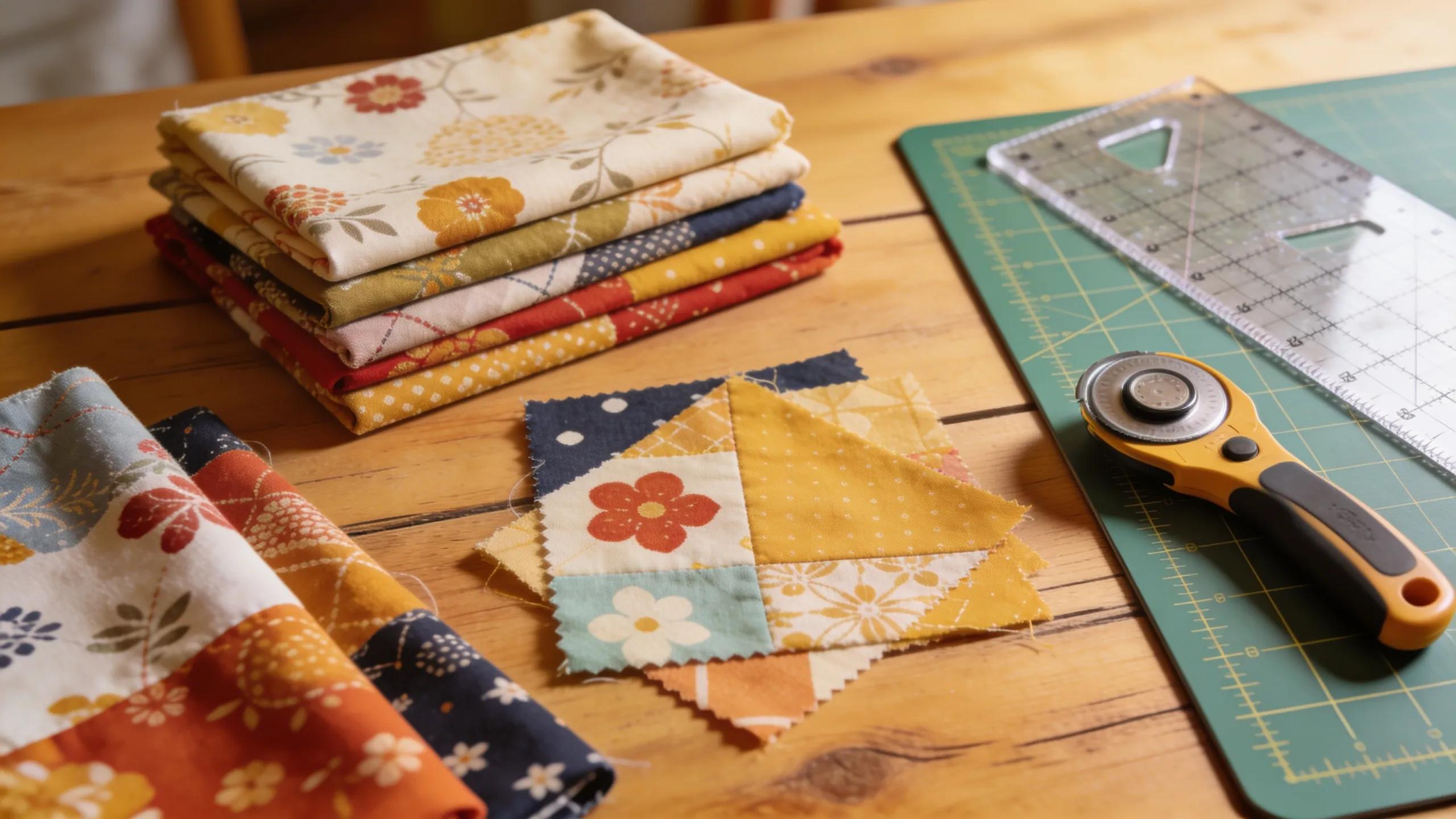
To begin your quilting journey, having the right supplies is critical. Essential quilting supplies include various tools and materials that enable you to create beautiful quilts. These items range from basic tools like rotary cutters and rulers to fabric and threads suitable for quilting.
What Are the Basic Quilting Supplies Every Beginner Needs?
Here’s a list of essential supplies that every beginning quilter should consider acquiring:
-
Fabric: Look for high-quality cotton fabric, typically 100% cotton, which is ideal for quilting due to its durability and ease of use.
-
Rotary Cutter: A rotary cutter allows for precise cutting of fabric layers, speeding up the preparation process.
-
Cutting Mat: A self-healing cutting mat protects your surfaces while providing a safe space for cutting fabric.
-
Quilt Ruler: This tool assists in measuring and cutting straight lines accurately. A clear acrylic ruler with grid markings is recommended.
-
Sewing Machine: A reliable sewing machine designed for quilting can enhance your stitching precision and efficiency.
-
Thread: Opt for high-quality quilting thread, which comes in various weights and colors to suit your project needs.
These tools are foundational to any quilting project and will serve you well as you develop your skills. For beginners, curating a list of quilting supplies can be made easier through specialized shops like the Nebraska Quilt Company, where curated beginner quilting supplies can be found.
Beginner-Friendly Patterns
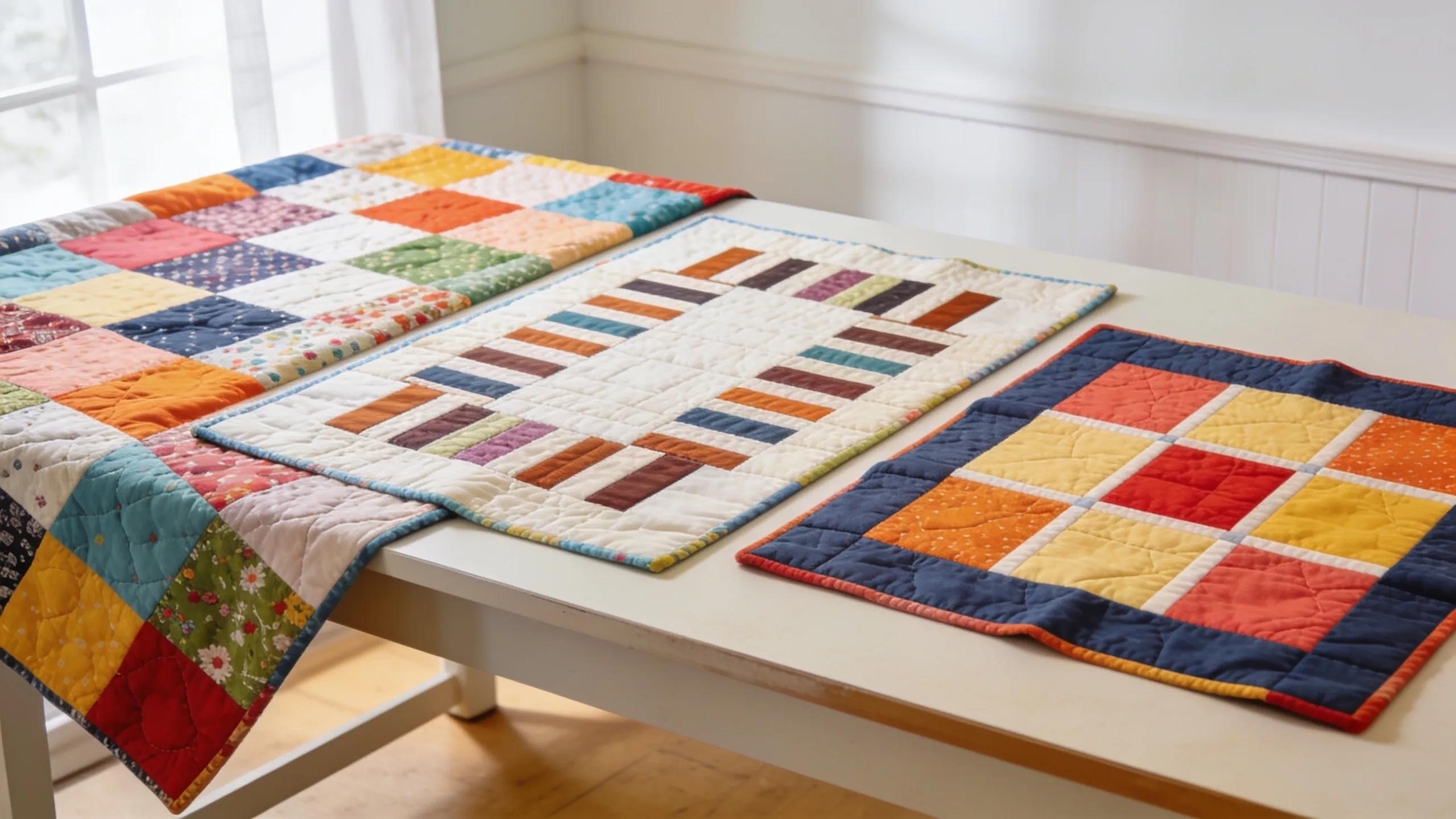
Selecting the right pattern is crucial for new quilters. A well-chosen pattern can build your skills while keeping the process enjoyable and fulfilling.
Which Easy Quilting Patterns Are Best for New Quilters?
Here are some easy quilt patterns that are perfect for novice quilters:
-
Patchwork Quilt: This classic design features assorted patches of fabric sewn together, allowing for creativity in color and pattern selection.
-
Rail Fence Quilt: Simple strips sewn together create a diagonal design, ideal for practicing straight sewing.
-
Nine-Patch Quilt: A traditional pattern encouraging block creation, the nine-patch design is iconic and offers a straightforward structure.
When choosing patterns, consider your comfort level and the complexity of the designs. Starting with simpler patterns can provide a sense of accomplishment that motivates you to tackle more complex projects in the future. For those interested in exploring specific design ideas, many easy quilting patterns are available online.
Available Classes
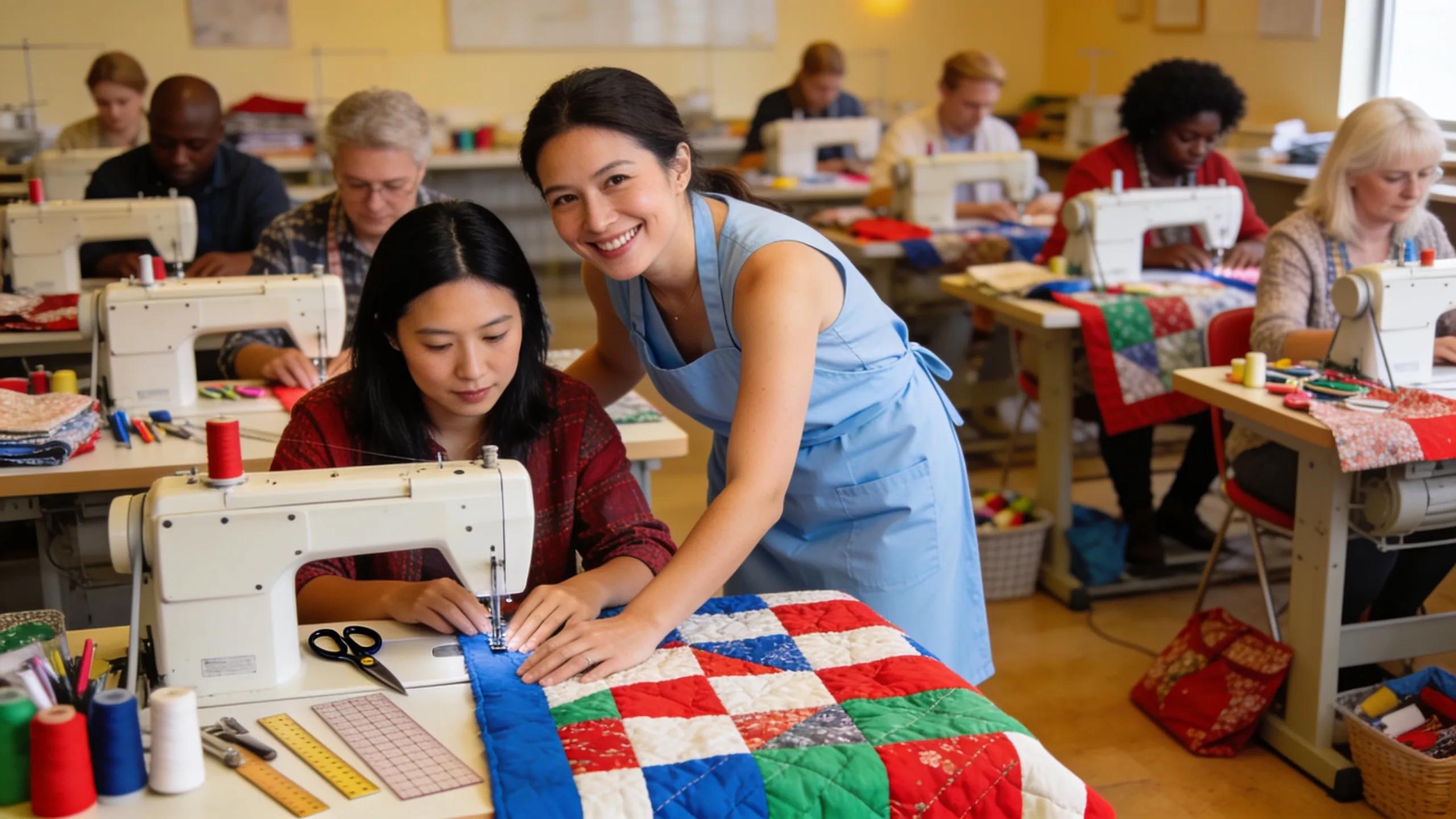
Participating in quilting classes can significantly enhance your learning experience, providing hands-on practice and guidance from experienced instructors.
How Can Quilting Classes Accelerate Your Learning?
Quilting classes offer several benefits, including:
-
Structured Learning: Classes provide a well-organized structure for learning various quilting techniques, ensuring you cover all necessary foundational skills.
-
Peer Interaction: Learning alongside others can foster community support, allowing you to share tips, challenges, and breakthroughs.
-
Expert Guidance: Instructors can offer personalized feedback, helping you avoid common pitfalls and encouraging you to refine your techniques.
These factors contribute to a much richer learning experience than simply following online tutorials or books.
What Types of Quilting Classes Does Nebraska Quilt Company Offer?
Nebraska Quilt Company organizes an array of classes catering to different skill levels. Their offerings include:
-
Beginner Classes: Focused sessions that cover basic techniques and simple projects to build confidence.
-
Themed Workshops: These may include seasonal or special project-focused classes, providing a fun way to engage with quilting.
-
Online Resources: For those who prefer learning from home, Nebraska Quilt Company also offers downloadable patterns and online classes that are accessible anytime.
Engaging in these classes can facilitate your onboarding process into the quilting community, enabling deeper connections and a richer craft experience. If you're looking to join a class, exploring local quilting classes can be a great step.
Tips for Success
Quilting can be an enjoyable and rewarding hobby if approached with the right mindset and strategies.
What Tips Help Maintain and Care for Quilting Tools?
Maintaining your quilting tools is essential to ensure longevity and effectiveness. Here are some key maintenance tips:
-
Clean Your Sewing Machine Regularly: Dust and lint can accumulate, affecting performance. Regular cleaning ensures smooth operation.
-
Store Fabric Properly: Store fabric in a cool, dry place and avoid direct sunlight to prevent fading and deterioration.
-
Use Quality Thread: Invest in high-quality threads that reduce fraying and breakage, helping ensure your quilt projects last longer.
These practices contribute to a positive quilting experience, leading to better finished projects and long-term satisfaction with your tools.
How Should Beginners Clean and Store Their Quilting Supplies?
Effective storage and cleaning methods can enhance the lifespan of your quilting materials.
-
Organize by Use: Keep frequently used supplies within easy reach, while storing more specialized tools in a designated area.
-
Use Clear Boxes: Storing tools in clear boxes allows you to see what you have at a glance, while protecting them from dust and damage.
-
Regular Inspections: Check your supplies regularly for signs of wear and tear, and replace items as necessary to keep your quilting process seamless.
Following such practices can ensure you have a well-maintained collection of tools that are always ready for your next quilting adventure.