
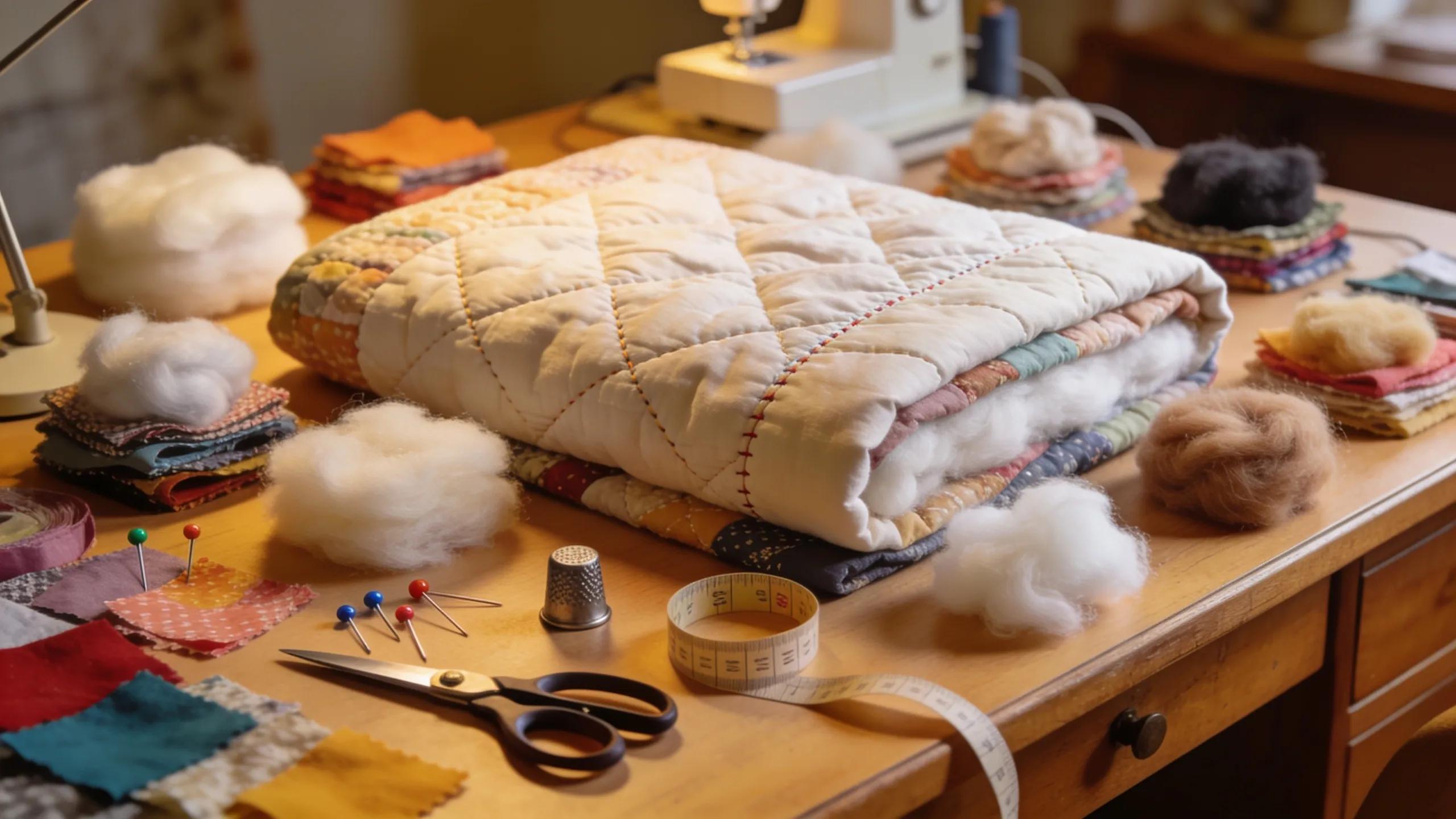
Quilting batting is a crucial component that significantly influences the overall quality and functionality of quilts. The selection of the right batting can enhance warmth, texture, and durability, making it vital for both novice and experienced quilters. This comprehensive guide provides insights into the various types of quilting batting available on the market, their specific uses, and care instructions essential for maintaining their longevity. Many quilters struggle with making choices that align with their quilting projects, contributing to inconsistencies in the final product. Understanding the different batting types equips quilters to make informed decisions, ensuring their creations are not only beautiful but also practical. In this article, we will explore the characteristics of quilting batting, the best uses for each type, essential care instructions, and tips on selecting the right batting for your projects.
Comprehensive Guide to Quilting Batting
Quilting batting is a layer of material placed between the quilt top and backing that adds warmth and body to the quilt. Choosing the right type of batting is crucial as it impacts the quilt's durability, drape, and insulation properties. Various batting options are available, each with unique characteristics suited for different quilting techniques and preferences. Additionally, the right batting can enhance the overall look and feel of the quilt, making it essential for quilters to consider their choices carefully.
Types of Batting:
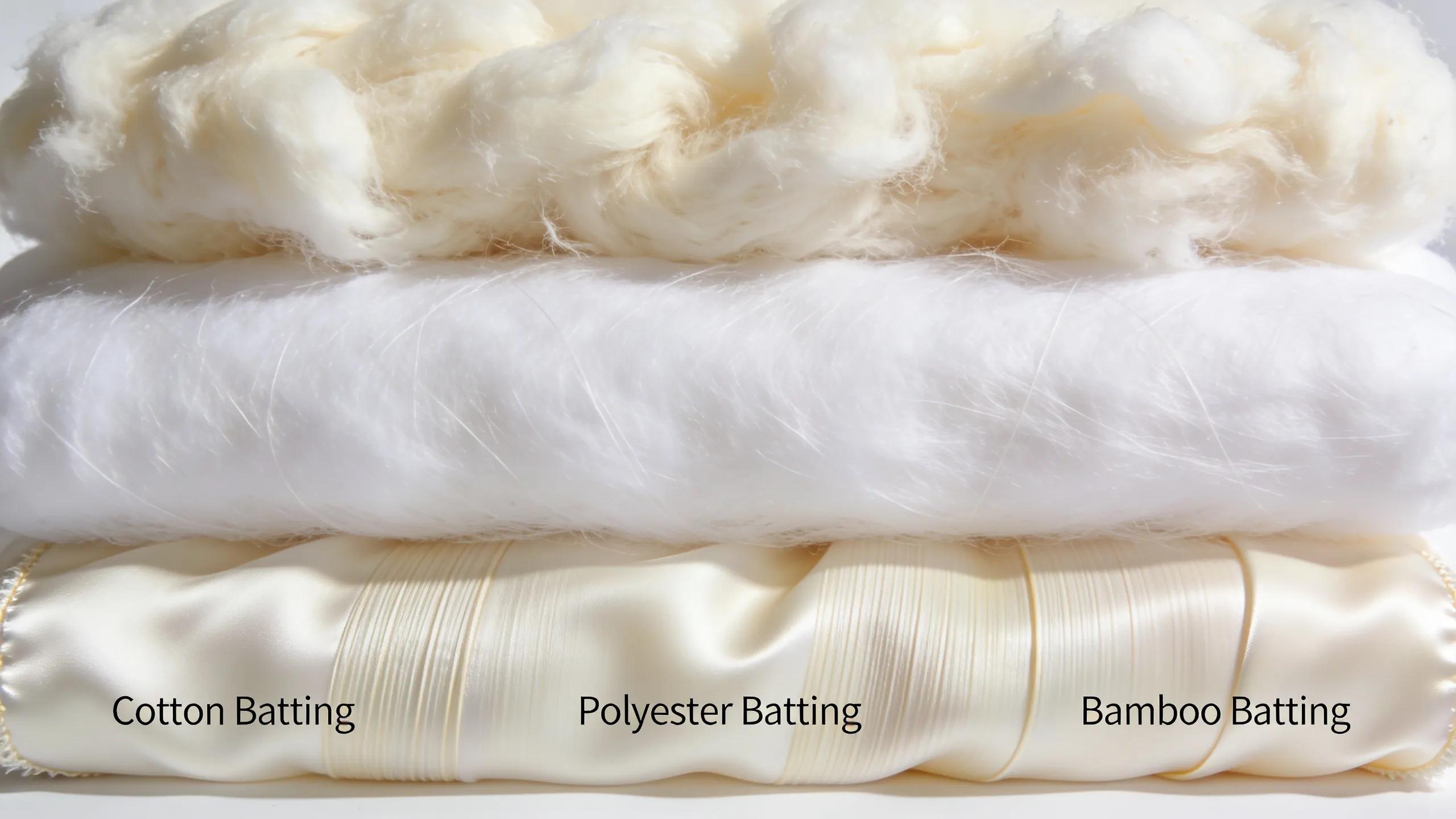
Understanding the different types of batting helps quilters make informed decisions based on their specific project requirements.
Cotton Batting:
Cotton batting is favored for its breathability and softness, making it an ideal choice for everyday quilts. It is naturally hypoallergenic and easy to wash, often retaining its shape and loft over time. Quilters often prefer 100% cotton batting for classic quilts, while blends like Hobbs Heirloom Premium 80/20 (80% cotton and 20% polyester) provide enhanced durability and ease of use.
Polyester Batting:
Polyester batting is known for its durability and lightweight nature, making it suitable for modern quilt styles. This type of batting is often easier to care for compared to cotton and can withstand heavy use, ensuring that quilts maintain their shape through multiple washes. Products like Quilters Dream Poly, available in various lofts, make it versatile for both machine and hand quilting.
Bamboo Batting:
Bamboo batting stands out for its luxurious feel and environmental benefits. This batting type is incredibly soft and breathable, making it a favorite for high-end quilting projects. The natural properties of bamboo ensure it regulates temperature effectively, making it suitable for both summer and winter quilts. Quilters Dream Bamboo, a blend of bamboo and cotton, boasts exceptional comfort and drape.
Uses of Batting:
Batting serves various purposes in quilting, influencing both the functionality and aesthetics of finished products.
-
Insulation Properties: Batting provides essential insulation, keeping quilts warm without adding unnecessary weight.
-
Texture Influence: The type of batting chosen affects the texture and drape of the quilt, leading to a professional finish.
-
Diverse Applications: Various types of batting cater to different quilting techniques, including traditional piecing and modern quilting styles.
Care Instructions:
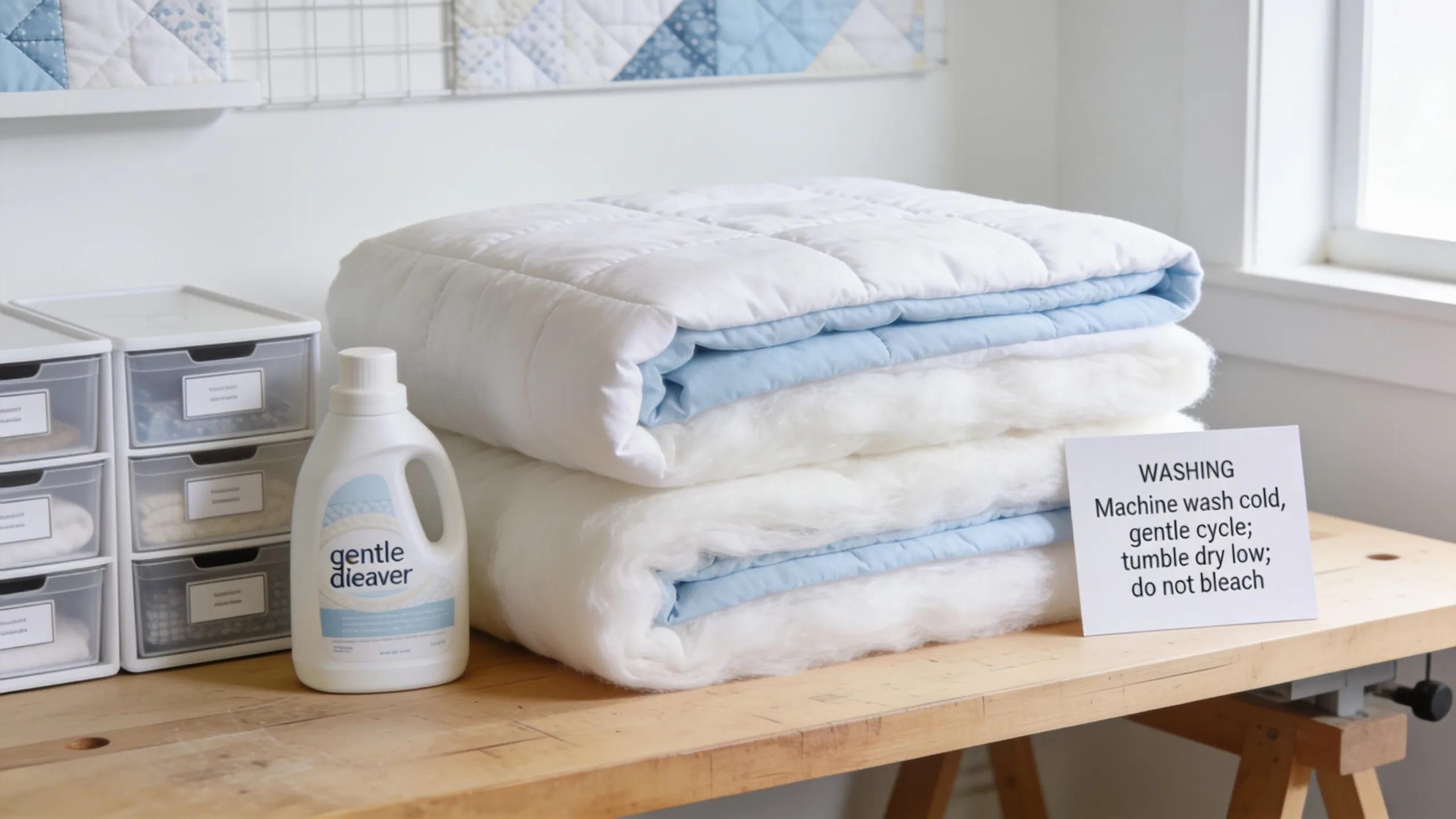
Proper care of quilting batting is essential to ensure the longevity of your quilts.
-
Machine Washable: Many batting types, particularly polyester options, are machine washable. However, always adhere to the specific washing instructions for each batting type.
-
Pre-Wash Guidelines: Pre-washing cotton batting can help prevent shrinkage and ensure even texture.
-
Storage Recommendations: Store batting in a cool, dry place to prevent moisture accumulation and maintain its integrity.
Choosing the Right Batting:
Selecting the appropriate batting for a quilt involves considering several factors, including the weight of the fabric, project type, and desired warmth level. Quilts designed for warmer climates may benefit from lightweight batting, while heavier batting can provide additional warmth for colder conditions. Additionally, it's vital to match the batting with the right quilting technique; for hand quilting, thicker batting may be preferred for ease of needle manipulation, while machine quilting may benefit from flatter options to facilitate smooth stitching.
Quilting batting plays a pivotal role in enhancing quilt quality. By understanding the various types and their unique properties, quilters can make informed choices that elevate their craftsmanship. Exploring different batting options will allow quilters to experiment with textures, warmth, and drape, ultimately leading to more satisfying outcomes. When considering the diverse offers from specialty retailers like Nebraska Quilt Company, quilters can find various batting options to suit their specific needs, empowering them to create beautiful works of art in their quilting journey.
What Are the Main Types of Quilting Batting and Their Properties?
The main types of quilting batting include cotton, polyester, and bamboo, each categorized by distinct properties tailored for various quilting needs.
|
Batting Type |
Characteristics |
Best Uses |
|---|---|---|
|
Cotton |
Breathable, soft, hypoallergenic |
Everyday quilts, classic designs |
|
Polyester |
Durable, lightweight, easy care |
Machine quilting, modern styles |
|
Bamboo |
Luxurious, eco-friendly, temperature regulating |
High-end projects, versatile quilts |
This comparison highlights how each batting type addresses specific needs in the quilting process, assisting quilters in making better material choices for their projects.
What Are the Benefits and Uses of Cotton Quilt Batting?
Cotton quilt batting is lauded for several advantages, including:
-
Softness and Drape: The natural fibers provide a beautiful soft texture that enhances the overall appearance of a quilt.
-
Insulation Characteristics: Cotton batting offers ample warmth while remaining breathable, making it comfortable for variable temperatures.
-
Project Suitability: Ideal for a wide range of quilting projects from bed quilts to wall hangings.
By leveraging these properties, cotton batting can elevate the quality and comfort of quilts.
How Does Polyester Batting Suit Machine Quilting and Durability Needs?
Polyester batting is particularly well-suited for machine quilting due to its smooth surface and resistance to creasing. It maintains its shape exceptionally well after multiple washes, making it a practical choice for quilts exposed to regular use. The lightweight aspect of polyester batting allows it to work well with modern quilting techniques, ensuring that quilts do not become cumbersome while preserving their structure over time.
Why Choose Wool Batting and What Are Its Key Advantages?
Wool batting presents distinct benefits, including exceptional thermal properties that make it ideal for temperature regulation. Quilts made with wool batting often retain warmth without added weight, allowing for comfort in various seasons. Additionally, wool provides a natural loft that enhances the appearance and texture of the quilt, giving it an elegant finish. Compared to synthetic materials, wool offers a more authentic and breathable feel, making it a preferred choice for quilters who prioritize natural fibers.
How Does Wool Batting Provide Natural Warmth and Loft for Quilts?
Wool batting's superior ability to trap air within its fibers creates natural insulation, providing warmth without the heaviness typically associated with thicker batting types. This loft not only enhances the quilt's appearance but also caters to layering techniques, which are commonly used in modern quilting styles. The moisture-wicking properties of wool also contribute to its comfort factor, ensuring that quilts remain cozy without overheating, which is essential for maintaining quality in luxury quilts.
What Are Additional Benefits of Wool Batting Compared to Other Materials?
In addition to its thermal properties, wool batting offers several other advantages. Its resilience lends durability to quilts, ensuring they withstand wear and tear over extended periods. Furthermore, wool's ability to resist creasing makes it conducive for quilts used in everyday settings, maintaining their aesthetic appeal. By choosing wool batting, quilters invest in longevity while enhancing the overall quality of their projects through superior material properties.
Which Batting Weight Options Are Best for Different Quilting Projects?
Selecting the right batting weight is essential for achieving the desired warmth and drape in quilts. Lighter batting is often preferred for summer quilts as it allows for breathability, while heavier batting is well-suited for winter quilts, providing extra insulation. It is also vital to consider the quilting technique; for instance, a denser batting is more compatible with hand stitching, while lighter batting is advisable for machine quilting to prevent complications during the quilting process.
How Do Batting Thickness and Loft Affect Quilt Warmth and Appearance?
The thickness and loft of batting significantly influence both the warmth and visual impact of a quilt. Thicker batting generally results in a warmer quilt, as it traps more air; however, it may also add weight. Conversely, thinner batting is ideal for lightweight quilts used in warmer conditions. Understanding these dynamics allows quilters to tailor their projects to specific needs, enabling them to maximize both comfort and aesthetic appeal.
How to Select Batting Weight for Machine vs. Hand Quilting?
When choosing batting weight, consider the quilting technique being used. For machine quilting, opting for batting with a mid-range loft can facilitate even stitches and a smooth quilting experience. In contrast, hand quilting may benefit from heavier batting as it allows for easier manipulation during stitching. Knowing the relation between batting weight and quilting methods empowers quilters to make selections that enhance their creative process.
What Are Essential Quilt Batting Care Tips to Ensure Longevity?
To extend the life of quilting batting, quilters should follow essential care tips, including:
-
Washing Guidelines: Always follow the specific washing instructions for the batting type to avoid damage.
-
Optimal Storage: Store batting in a dry and cool environment to prevent mold growth and maintain its integrity.
-
Regular Checks: Periodically inspect stored batting for any signs of wear or damage to mitigate potential issues when quilting.
Keeping these care practices in mind will help quilters maintain their batting and keep their quilts looking great for years to come.
How Should You Wash and Maintain Different Types of Quilt Batting?
Maintaining quilt batting involves understanding the unique properties of each type. Cotton batting typically needs gentle washing to avoid shrinkage, while polyester batting is more forgiving in terms of washing conditions. Always check the manufacturer's guidelines to ensure the longevity of your quilts, and opt for cool washes to prevent damaging the fibers. Additionally, thoughtful drying techniques, such as air drying, can help maintain the loft of the batting, ensuring that quilts retain their desired aesthetic and functional qualities.
What Are Best Practices for Storing and Handling Quilt Batting?
Proper storage of quilt batting is vital in preserving its quality over time. Best practices include:
-
Use Acid-Free Storage: Placing batting in acid-free containers can help prevent yellowing and damage.
-
Avoid Direct Sunlight: Exposure to direct sunlight can degrade batting fibers; store in dark places.
-
Regular Checks for Pests: Periodically inspect stored batting to safeguard against pests that may cause damage.
By adhering to these best practices, quilters can ensure their batting remains in excellent condition, ready for use when needed.
A 2004 study further emphasizes the importance of material selection, including batting, on a quilt's lifespan and potential degradation.
Quilting Material Choice: Impact on Quilt Lifespan and Degradation
A quiltmaker’s choice of materials, including fabric, batting, thread and other materials influences the lifespan of a quilt. It is disappointing, and sometimes devastating, when components prematurely yellow, stiffen or weaken with age. Although conservators and conservation scientists have evaluated archival-quality adhesive products and determined which ones are acceptable for use in conservation treatments, there were no published results concerning the long-term performance of adhesive-containing products available to quiltmakers and home sewers. Consequently, they could not make informed choices. Therefore, the purpose of this study was to determine whether or not selected adhesive-containing products for quilters, specifically quilt basting sprays, fusible webs, and fusible battings, contribute to discoloration or promote degradation of fabrics over time.The Effects of Light and Ageing on Selected Quilting Products Containing Adhesives, 2004